
Sangeet · Wedding Planning · Event Types
Sangeet vs Sangeet Sandhya: What's the Difference?

If you've been researching wedding or cultural event entertainment, you've likely come across both 'Sangeet' and 'Sangeet Sandhya' and wondered whether they're the same thing. They're related, but not interchangeable — and knowing the difference helps you brief your performer correctly.
Sangeet: the pre-wedding music and dance night
Sangeet, in the modern Indian wedding context, specifically refers to the pre-wedding celebration where families perform choreographed dances, play games, and enjoy a mix of Bollywood, folk, and mashup music. It's high-energy, performance-driven, and usually built around family and friend group acts rather than passive listening.
Sangeet Sandhya: a broader musical evening
Sangeet Sandhya literally translates to 'musical evening,' and it's used more broadly — for cultural association events, community celebrations, corporate cultural evenings, and general live music programs that aren't tied to a wedding at all. Where a wedding Sangeet centres on the couple and their families' choreography, a Sangeet Sandhya centres on the performer and their live set, closer in spirit to a concert.
Why the distinction matters when booking
- A wedding Sangeet needs a performer who can supply backing tracks and mashups tailored to specific choreography, often with cues and timing locked in advance.
- A Sangeet Sandhya needs a performer who can carry a full live set on their own — reading the room and adjusting in real time, since there's no choreography to follow.
- If you tell your booking contact 'Sangeet' when you actually mean a general musical evening (or vice versa), you may end up with the wrong kind of preparation on the performer's side.
Where the terms come from
'Sangeet' simply means music or song in Hindi and Gujarati, and its use for the pre-wedding celebration is a relatively modern convention that grew alongside choreographed family performances becoming a fixture of Indian weddings. 'Sandhya' means evening, so 'Sangeet Sandhya' translates literally to 'an evening of music' — a much older and more general phrase, used for any live musical program held in the evening, wedding or not. Understanding the literal roots makes it easier to remember why one term implies a specific wedding function and the other doesn't.
A side-by-side comparison
- Purpose: Sangeet celebrates the couple through family performances; Sangeet Sandhya showcases a live musical program for its own sake.
- Audience role: at a Sangeet, guests often perform; at a Sangeet Sandhya, guests primarily watch and listen.
- Structure: Sangeet follows a sequence of pre-rehearsed acts with music cued to each; Sangeet Sandhya follows a performer-led set that flows more like a concert.
- Typical duration: a wedding Sangeet often runs 3–4 hours including act changeovers; a Sangeet Sandhya typically runs 90 minutes to 2 hours as a continuous live set.
- Who books it: Sangeet is booked by the couple's families as one function in a wedding calendar; Sangeet Sandhya is booked by cultural associations, corporate teams, or community trusts independent of any wedding.
When you'd book a Sangeet Sandhya instead of a Sangeet
- A cultural association's annual evening celebrating a festival or community milestone.
- A corporate offsite or annual day that wants a live music segment without any choreography involved.
- A felicitation or retirement evening honouring a community member, with live music as the centrepiece rather than background.
- A standalone ticketed or invite-only concert-style evening organised by a trust or society, unconnected to any wedding.
How the two formats sometimes overlap
In practice, some events blend elements of both. A wedding Sangeet might open with 20–30 minutes of a live performer's own set before the family acts begin, functioning briefly like a mini Sangeet Sandhya to warm up the room. Conversely, a standalone Sangeet Sandhya organised by a cultural association might include one or two short guest performances from community members, borrowing a little of the participatory spirit of a wedding Sangeet. These hybrids work fine as long as everyone involved — performer, organisers, and any participating guests — knows which segments are scripted and which are the performer's own live set.
Booking tips specific to each format
- For a wedding Sangeet: share your choreography timings and specific mashup requests at least a few weeks in advance, since backing tracks often need to be custom-edited to match rehearsed routines.
- For a wedding Sangeet: confirm whether the performer can also emcee between acts, since many events need someone to keep the evening moving between family performances.
- For a Sangeet Sandhya: confirm the expected set length and genre range up front, since this format relies far more on the performer's own repertoire and reading of the room.
- For a Sangeet Sandhya: clarify the audience size and seating format, since a large formal auditorium and a smaller community hall call for noticeably different stage setups and sound levels.
Why some performers specialise in only one format
A few performers deliberately focus on just one of these formats rather than offering both. A Sangeet specialist invests heavily in mashup editing and choreography-timing tools, since that's a genuinely different skill set from carrying a live set solo. A Sangeet Sandhya specialist invests more in vocal range and repertoire depth, since they're the main draw for the full evening rather than a backing track for family performances. Neither approach is wrong — it's worth asking directly which side of this a performer leans toward if your event sits close to the line between the two.
A quick way to know which one you mean
If there's a couple, a wedding calendar, and family members rehearsing choreographed acts, you're planning a Sangeet. If there's no couple and no choreography — just a live music program built around a performer's set — you're planning a Sangeet Sandhya, even if the event happens to be tied to a wedding-adjacent celebration like an engagement or reception. When in doubt, describe the actual structure of your event to your booking contact rather than relying on the label alone; a good performer will confirm which format fits before finalising the booking.
Crystal Beats books and delivers both formats regularly — choreography-ready wedding Sangeet sets and standalone Sangeet Sandhya evenings for community and corporate audiences. When you fill out the booking form, selecting the correct event type helps set the right expectations from the first conversation.
Frequently Asked Questions
What is the difference between Sangeet and Sangeet Sandhya?
Sangeet is the pre-wedding celebration built around family and friend choreography; Sangeet Sandhya is a broader musical evening, closer in spirit to a concert, used for community, cultural association, and corporate events.
Why does it matter which term I use when booking?
Because each requires different preparation — a wedding Sangeet needs backing tracks and mashups cued to specific choreography, while a Sangeet Sandhya needs a performer who can carry a full live set on their own.
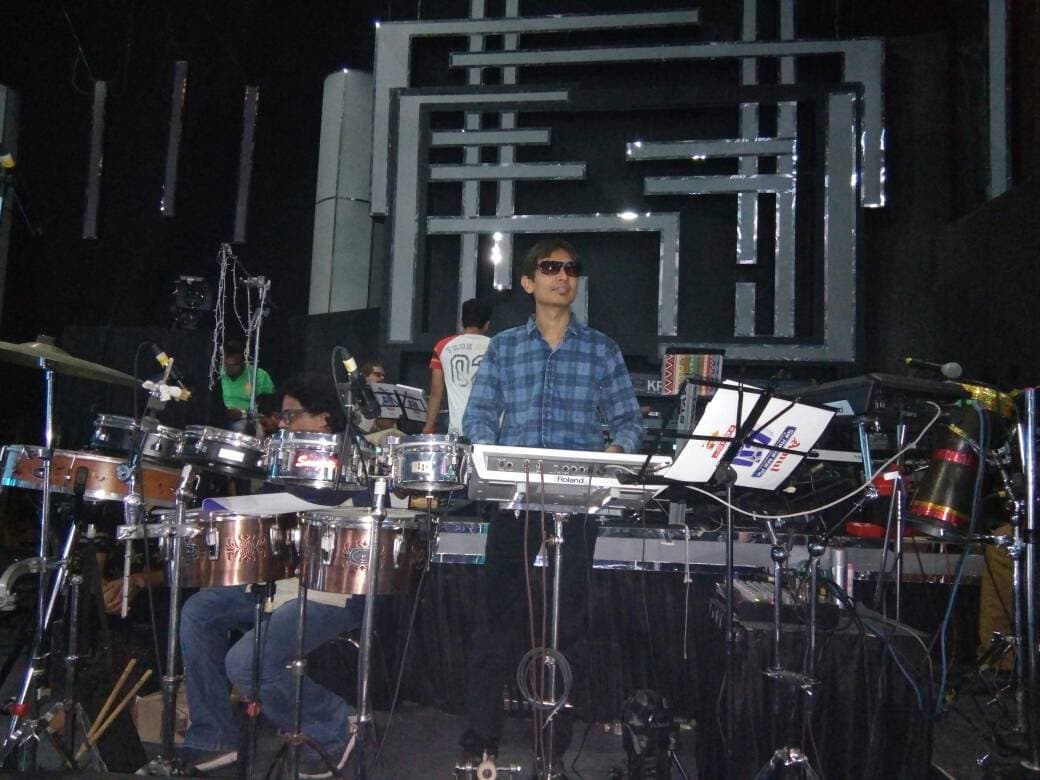
Written by Mrugesh Shukla, Tabla Visharad (distinction) and founder of Crystal Beats — 18+ years leading live performances and teaching at Crystal Beats Music Academy since 2007.
The guidance in this guide reflects real experience performing and teaching across Gujarat since 2007 — not generic advice.
In partnership with Rivavya Create and Trade LLP.
More from the blog
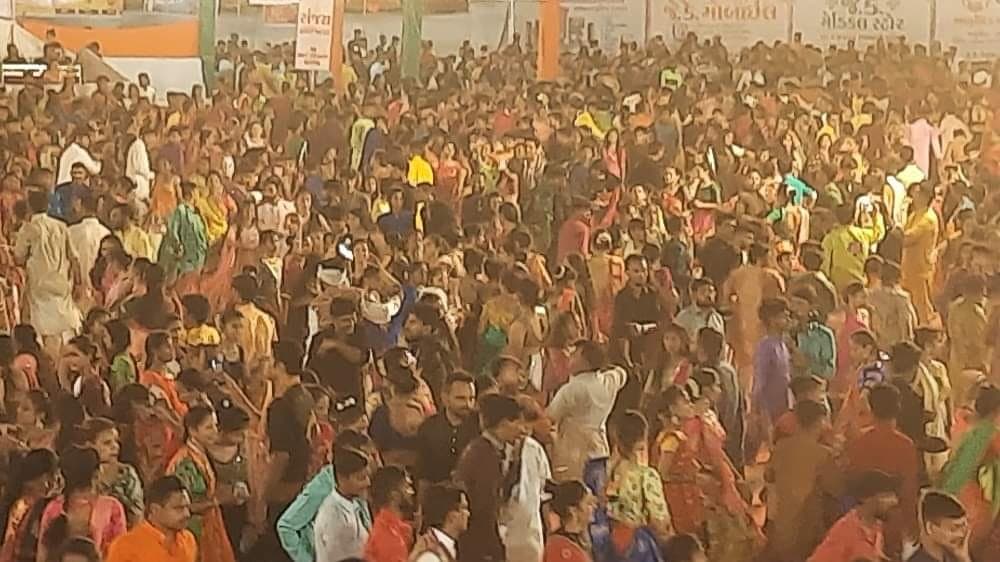
Garba Night Abroad: Bringing Authentic Gujarati Garba to Your NRI Sangeet
Garba at an NRI sangeet abroad can fall flat without a live dhol and a band that knows how to read an out-of-practice crowd. Here's how to get it right.
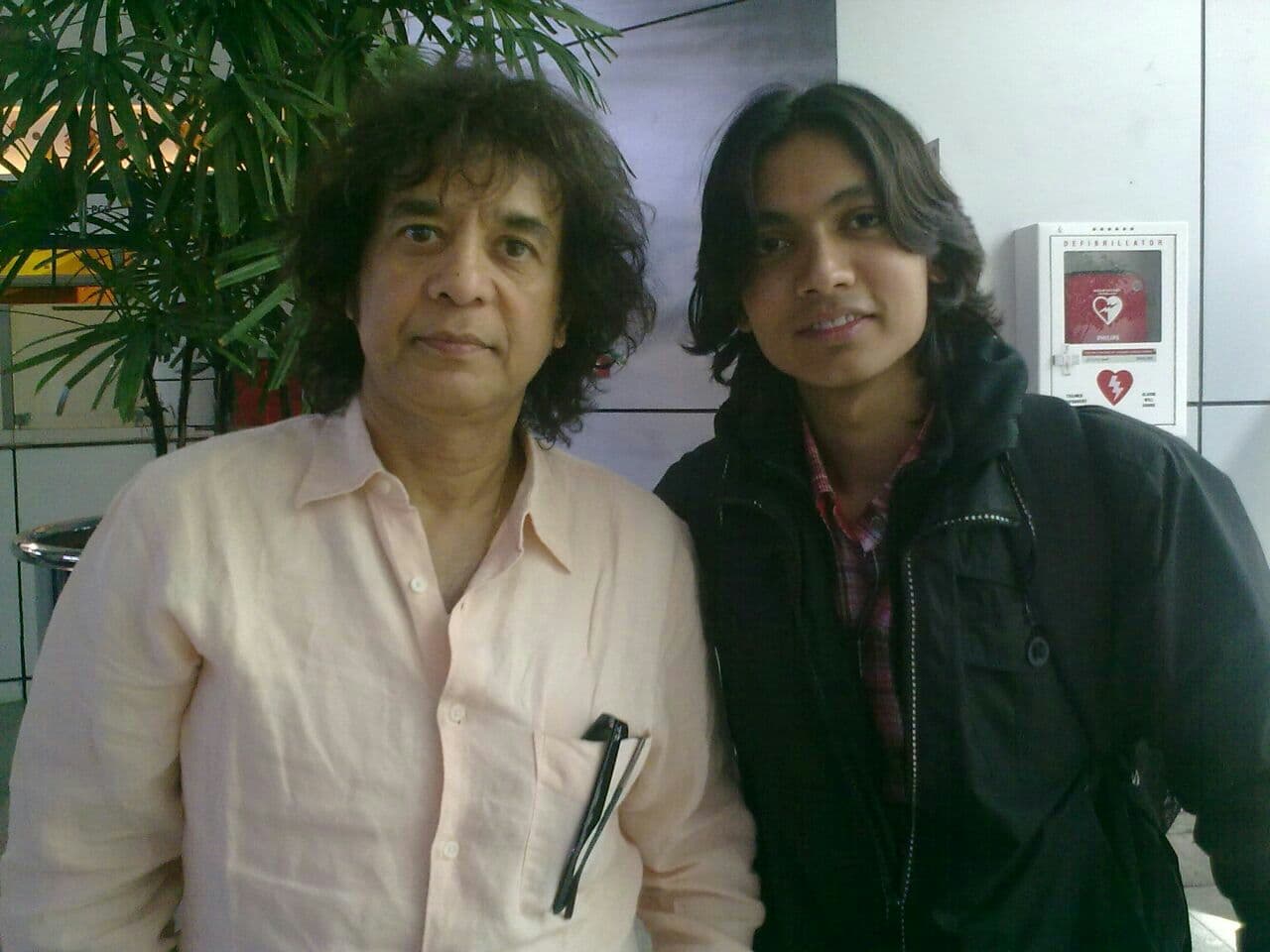
Booking an Indian Wedding Band From India for Your NRI Wedding Abroad
Flying a live band in from India for a UK, US, or Canada wedding takes different planning than a local booking. Here's the practical guide — lead times, logistics, and what to ask.
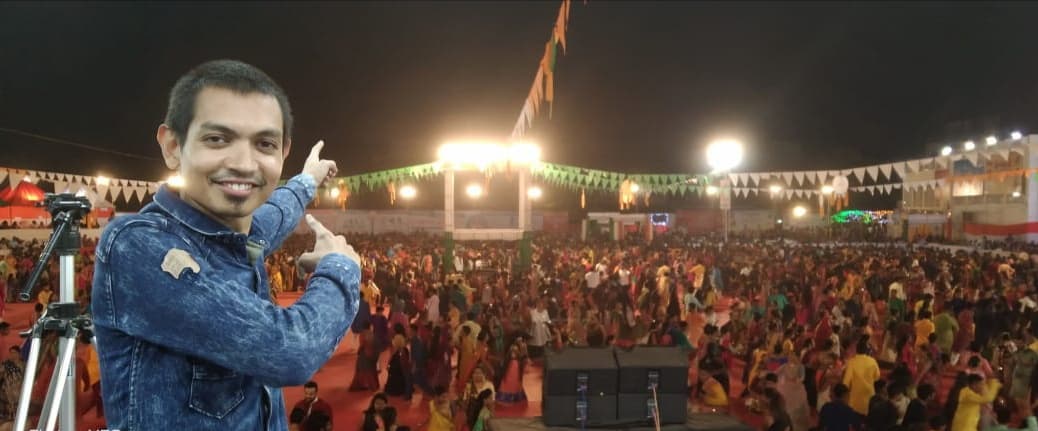
Questions to Ask a Band Master Before You Book
A quick checklist of questions to ask before confirming your wedding or event's band master — covering experience, instrument range, and logistics.