
Dhol · Garba · Baraat
Why Every Garba and Baraat Needs a Live Dhol Player
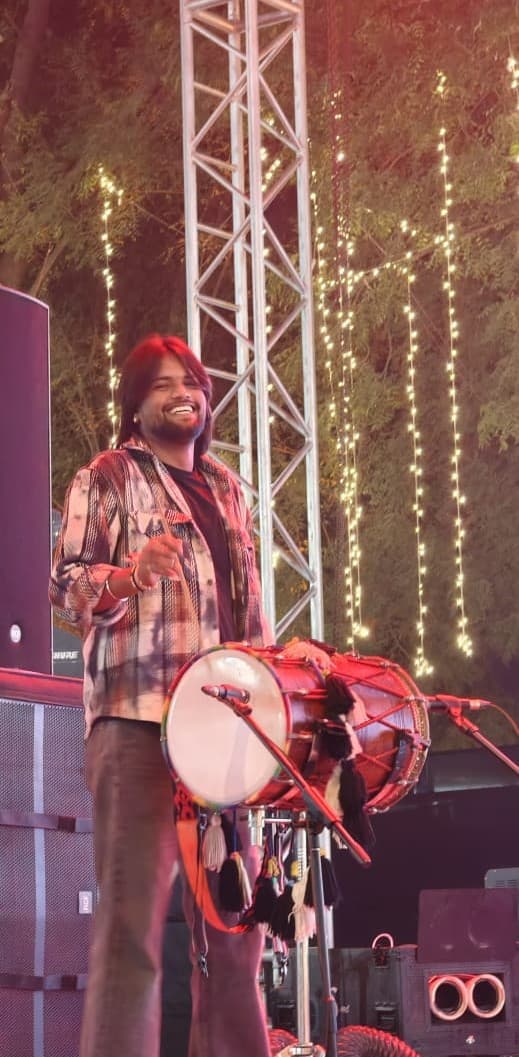
Of every instrument in a live Indian band, dhol is the one most people can pick out instantly, even from across a crowded venue — and it's also one of the instruments most often replaced with a recorded track to save cost. That's usually a mistake, especially for Garba nights and baraats, where dhol isn't just accompaniment, it's the engine of the event.
What a live dhol player does that a recording can't
- Reads the crowd's energy in real time, intensifying the beat when the floor is packed and easing off when people need a breather.
- Physically moves through the crowd during a baraat or Garba, which recorded music obviously can't replicate at all.
- Adjusts tempo and improvises fills to match the flow of dancers rather than locking everyone to a fixed track speed.
Dhol's role in a Garba night specifically
A strong dhol player anchors the entire rhythmic structure of a Garba night, working closely with tabla and octapad to build and release energy across the warm-up, peak, and wind-down phases of the evening. A Garba band without a genuinely skilled live dhol player can still sound fine on a recording, but it noticeably loses the physical, communal energy that makes a live Garba night feel different from a playlist.
Dhol's role in a baraat
For a baraat, dhol is often the only live instrument present, since the format is inherently mobile and outdoor. This puts even more weight on the player's stamina, showmanship, and ability to keep a procession's energy up over what can be a genuinely long walk from the starting point to the venue.
What separates a skilled dhol player from an average one
Technical stamina is only part of what makes a dhol player genuinely good — the harder skill is musicality, knowing exactly when to hold a steady beat and when to introduce a fill or a tempo shift that lifts the room without breaking the dancers' rhythm entirely. An overly showy player who constantly improvises can actually make a Garba floor harder to dance to, while an overly rigid one fails to build the energy a great night needs.
Pairing dhol with the rest of the rhythm section
A dhol player rarely performs in true isolation — even at a baraat, there's often a second percussionist or a shehnai player alongside. Within a full Garba band, dhol needs to lock in tightly with tabla and octapad rather than simply playing the loudest part over everything else, and a rhythm section that has performed together repeatedly tends to sound noticeably tighter than musicians meeting for the first time on event day.
Physical demands and why stamina matters
A full Garba night or a long baraat procession is genuinely physically demanding for a dhol player, often requiring sustained, high-energy playing for hours with minimal breaks. This is part of why experienced dhol players are worth the investment — inexperienced players can visibly tire partway through a long event, with the beat noticeably weakening exactly when the crowd's energy is at its peak and needs the most support.
Booking multiple dhol players for larger events
For very large Garba grounds or particularly long baraat routes, some organisers book two dhol players rather than one — not purely for volume, but so players can rotate and rest without any gap in the rhythm, and so the sound carries more evenly across a genuinely large crowd. This is worth discussing with your performer if your venue or guest count is on the larger side, since it's a detail smaller events don't need but bigger ones often benefit from.
Dhol's growing role beyond traditional functions
Dhol has also increasingly found its way into corporate events and celebrations looking for a distinctly energetic, culturally rooted opening moment — a dhol procession welcoming guests into a venue, for instance, has become a popular way to set an immediately festive tone before a program even formally begins. This growing use beyond weddings and Navratri reflects how central and recognisable the instrument has become as a marker of celebration across Gujarati culture more broadly, not just within its traditional settings.
Crystal Beats brings experienced live dhol players to Garba nights and baraats across Gujarat, working alongside the rest of the live band to keep the rhythm section genuinely alive rather than pre-recorded. If you're planning a Garba night or baraat, reach out through the booking form on this site.
Frequently Asked Questions
Why is a live dhol player better than a recorded dhol track for Garba?
A live player reads the crowd's energy in real time, intensifying or easing the beat to match the floor, and can move through the crowd physically — neither of which a recording can do.
What role does dhol play in a baraat?
It's often the only live instrument present, since a baraat is mobile and outdoor, which puts real weight on the player's stamina and ability to sustain the procession's energy.
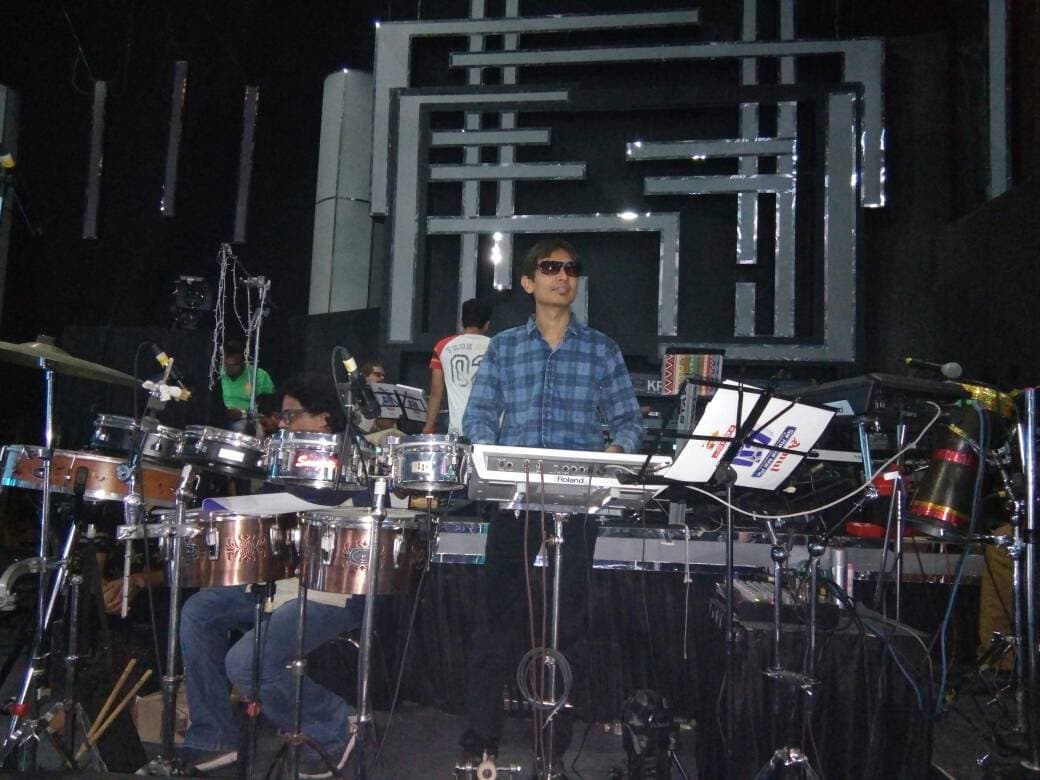
Written by Mrugesh Shukla, Tabla Visharad (distinction) and founder of Crystal Beats — 18+ years leading live performances and teaching at Crystal Beats Music Academy since 2007.
The guidance in this guide reflects real experience performing and teaching across Gujarat since 2007 — not generic advice.
In partnership with Rivavya Create and Trade LLP.
More from the blog
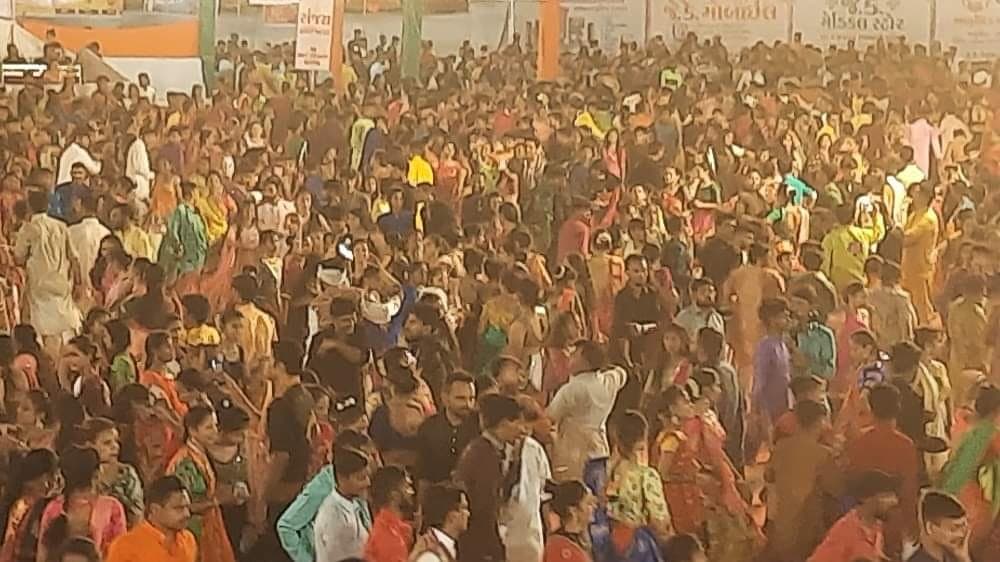
Garba Night Abroad: Bringing Authentic Gujarati Garba to Your NRI Sangeet
Garba at an NRI sangeet abroad can fall flat without a live dhol and a band that knows how to read an out-of-practice crowd. Here's how to get it right.
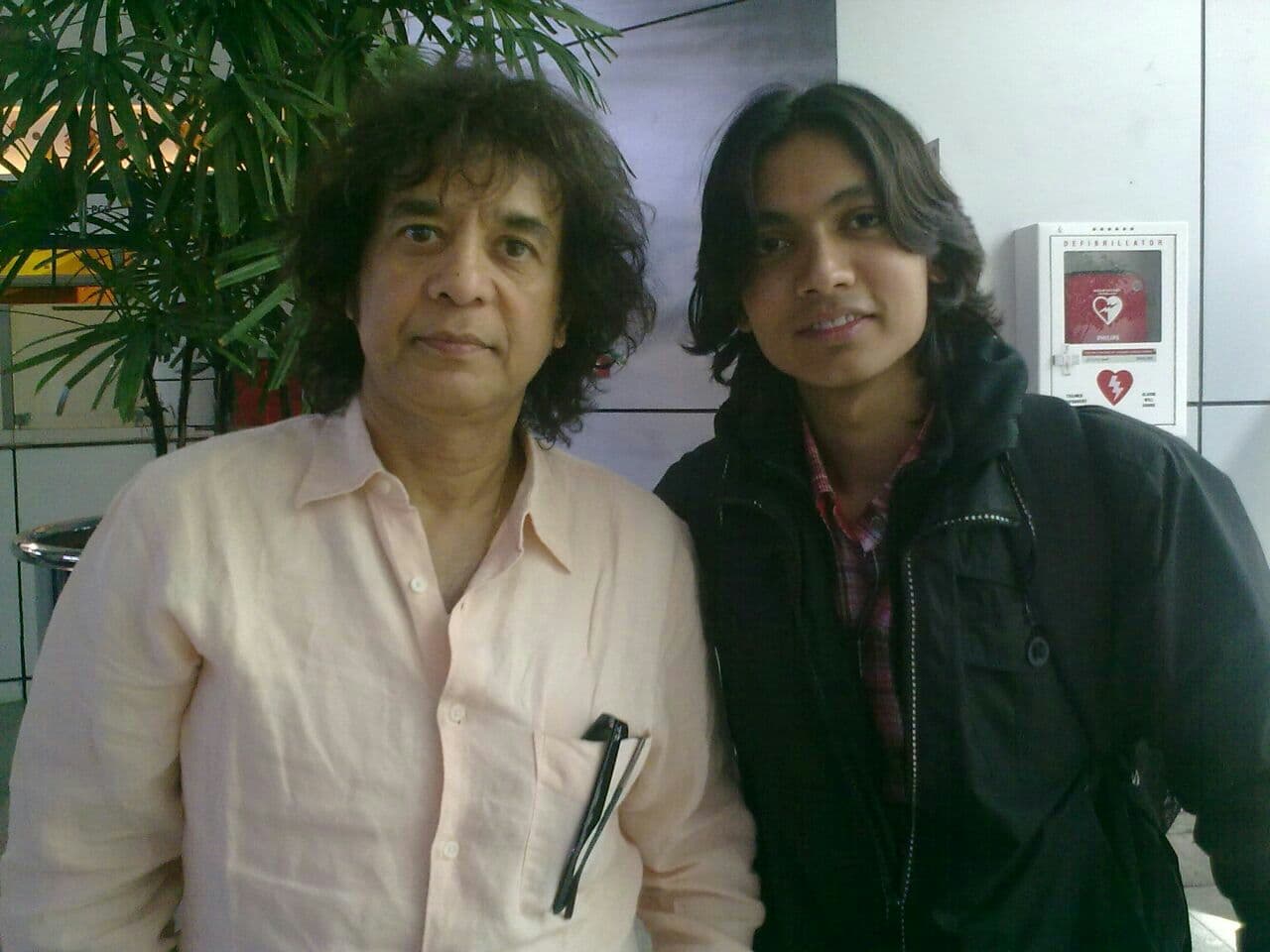
Booking an Indian Wedding Band From India for Your NRI Wedding Abroad
Flying a live band in from India for a UK, US, or Canada wedding takes different planning than a local booking. Here's the practical guide — lead times, logistics, and what to ask.
Questions to Ask a Band Master Before You Book
A quick checklist of questions to ask before confirming your wedding or event's band master — covering experience, instrument range, and logistics.