
Keyboard · Live Instruments · Wedding Bands
The Role of Keyboard in a Modern Indian Wedding Band
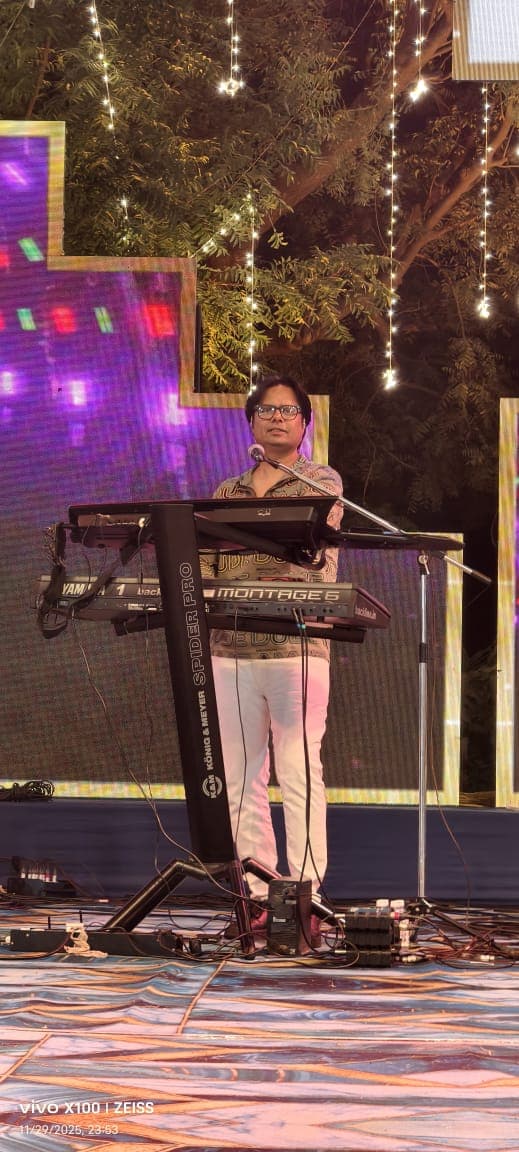
Of every instrument in a modern Indian live band, keyboard is arguably doing the most work — and getting the least credit for it. It handles melody, fills harmonic gaps other instruments leave open, and can imitate string sections, brass, or traditional instruments when a full ensemble isn't practical. It's the instrument most likely to be on stage for every single song of the night.
Why keyboard became central to live Indian performance
Modern Bollywood and fusion arrangements are built on layered production — strings, brass, synths — that a small live band can't replicate with acoustic instruments alone. A skilled keyboard player fills that gap, using programmed sounds and live playing together to approximate a fuller arrangement without needing a ten-piece ensemble on stage.
What a good live keyboard player actually does
- Anchors the melody across genre shifts — folk, Bollywood, devotional — often within the same set.
- Fills harmonic space left by vocals and other instruments, keeping the overall sound full without overplaying.
- Adapts arrangements in real time when a song needs to be extended, shortened, or transposed to suit a vocalist's range.
What to ask before booking a keyboard player
- Do they bring their own sound library, or rely on generic factory presets that can sound thin live?
- Can they play both classical/folk accompaniment and modern Bollywood arrangements convincingly?
- How do they handle key changes on the spot if a vocalist needs a song transposed?
Keyboard's role in devotional and classical segments
Beyond modern arrangements, keyboard also frequently substitutes for harmonium in devotional segments when a dedicated harmonium player isn't part of the lineup, since many modern keyboards can convincingly approximate its sustained, reedy tone. This flexibility is part of why keyboard players are often the busiest musician in a live band across an entire event — moving from a devotional interlude to a Bollywood number to a folk Garba set within the same evening.
Why keyboard is often the first instrument beginners learn
For students starting out in Indian music, keyboard is frequently the first instrument taught, partly because its visual layout makes music theory — scales, chords, intervals — more intuitive to grasp than on tabla or sitar, and partly because early progress tends to feel more immediately rewarding. Many musicians who go on to specialise in other instruments started with a foundational year or two on keyboard specifically for this reason.
What separates a live keyboard player from a home hobbyist
Playing keyboard well at home and playing it well live in a full band are genuinely different skills. A live keyboard player needs to listen constantly to the vocalist and other musicians, adjust volume and voicing in real time so nothing gets buried in the mix, and recover smoothly from the inevitable small mistakes that happen during a long live set — none of which shows up in solo practice.
Choosing an instrument for a child starting music lessons
Parents choosing a first instrument for a child often default to keyboard partly for the reasons above, but it's worth noting the trade-off too — because it's relatively approachable early on, some students plateau at a comfortable intermediate level rather than pushing into genuinely advanced technique, since the instrument doesn't force the same disciplined progression tabla or sitar does. A good teacher will set clear milestones and gently push a keyboard student's technical growth rather than letting early ease turn into stagnation.
Equipment quality genuinely affects the sound
Not all keyboards are equal, and this matters more in a live context than most people expect — a budget instrument with weak sound patches and unresponsive keys can noticeably flatten a band's overall sound even if the player is genuinely skilled. Professional keyboard players typically invest in higher-end instruments and quality sound modules specifically for live performance, and it's a reasonable, fair question to ask a prospective performer about the equipment they'll actually be bringing rather than assuming any keyboard is interchangeable with another.
Crystal Beats' live band features keyboard as a central instrument across every event type — weddings, Garba nights, corporate shows, and devotional evenings. If you're curious how keyboard fits into your event's live setup, reach out below.
Frequently Asked Questions
Why is keyboard considered so central to a modern Indian live band?
It handles melody and fills harmonic gaps other instruments leave open, and can approximate strings, brass, or traditional instruments — work that would otherwise need a much larger ensemble.
What should I ask before booking a keyboard player?
Whether they bring their own sound library rather than generic presets, whether they can play both classical/folk and modern Bollywood convincingly, and how they handle on-the-spot key changes.
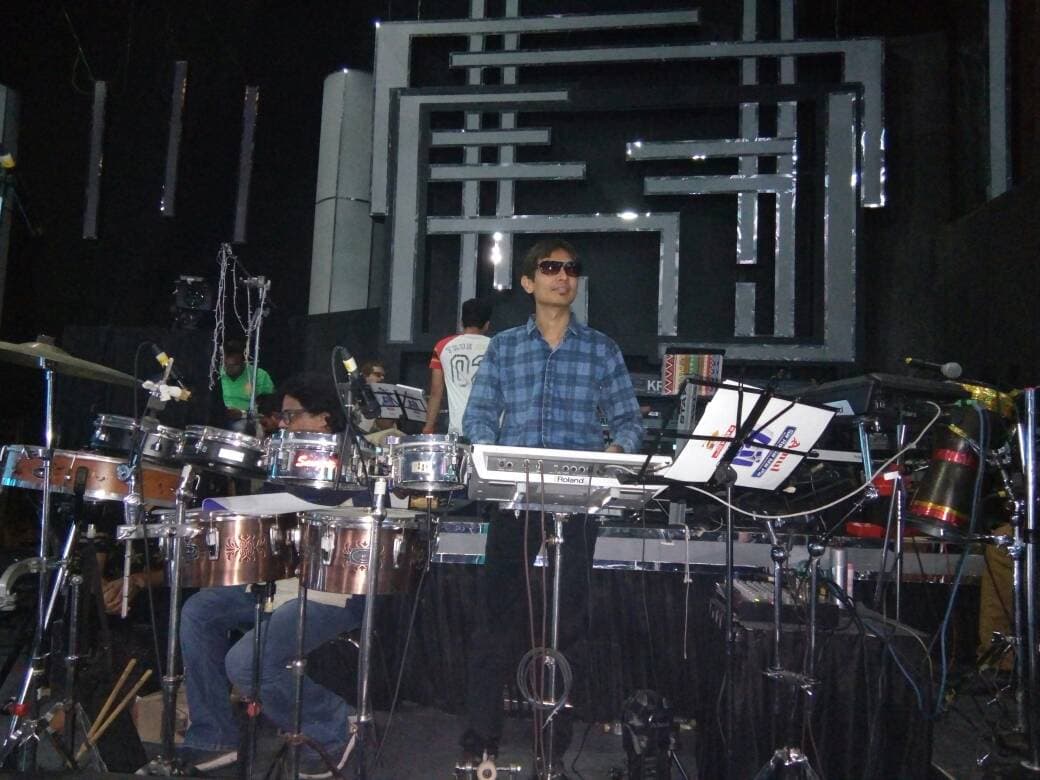
Written by Mrugesh Shukla, Tabla Visharad (distinction) and founder of Crystal Beats — 18+ years leading live performances and teaching at Crystal Beats Music Academy since 2007.
The guidance in this guide reflects real experience performing and teaching across Gujarat since 2007 — not generic advice.
In partnership with Rivavya Create and Trade LLP.
More from the blog
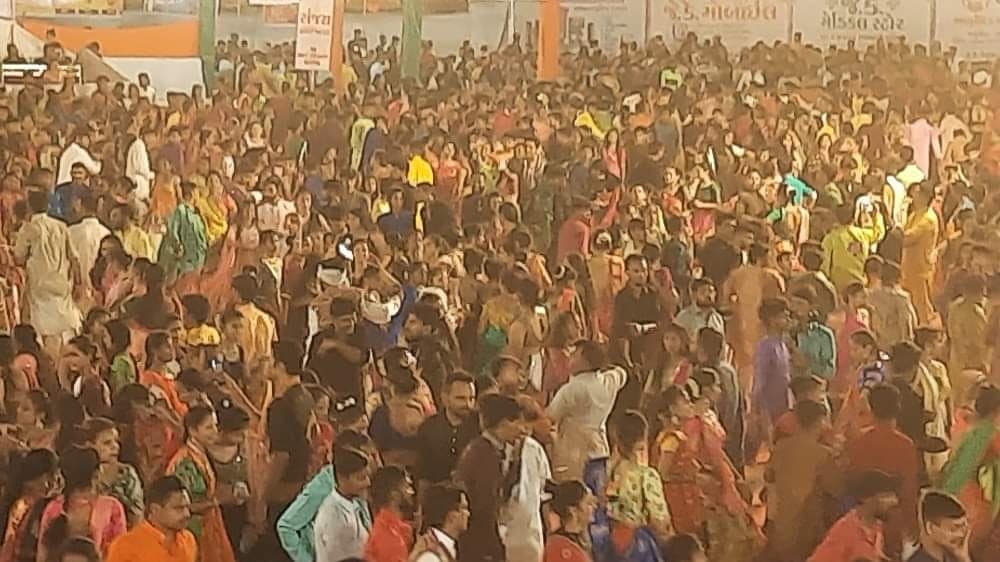
Garba Night Abroad: Bringing Authentic Gujarati Garba to Your NRI Sangeet
Garba at an NRI sangeet abroad can fall flat without a live dhol and a band that knows how to read an out-of-practice crowd. Here's how to get it right.
Booking an Indian Wedding Band From India for Your NRI Wedding Abroad
Flying a live band in from India for a UK, US, or Canada wedding takes different planning than a local booking. Here's the practical guide — lead times, logistics, and what to ask.
Questions to Ask a Band Master Before You Book
A quick checklist of questions to ask before confirming your wedding or event's band master — covering experience, instrument range, and logistics.