
Sitar · Harmonium · Indian Classical Music
The Art of Sitar and Harmonium in Indian Classical Music
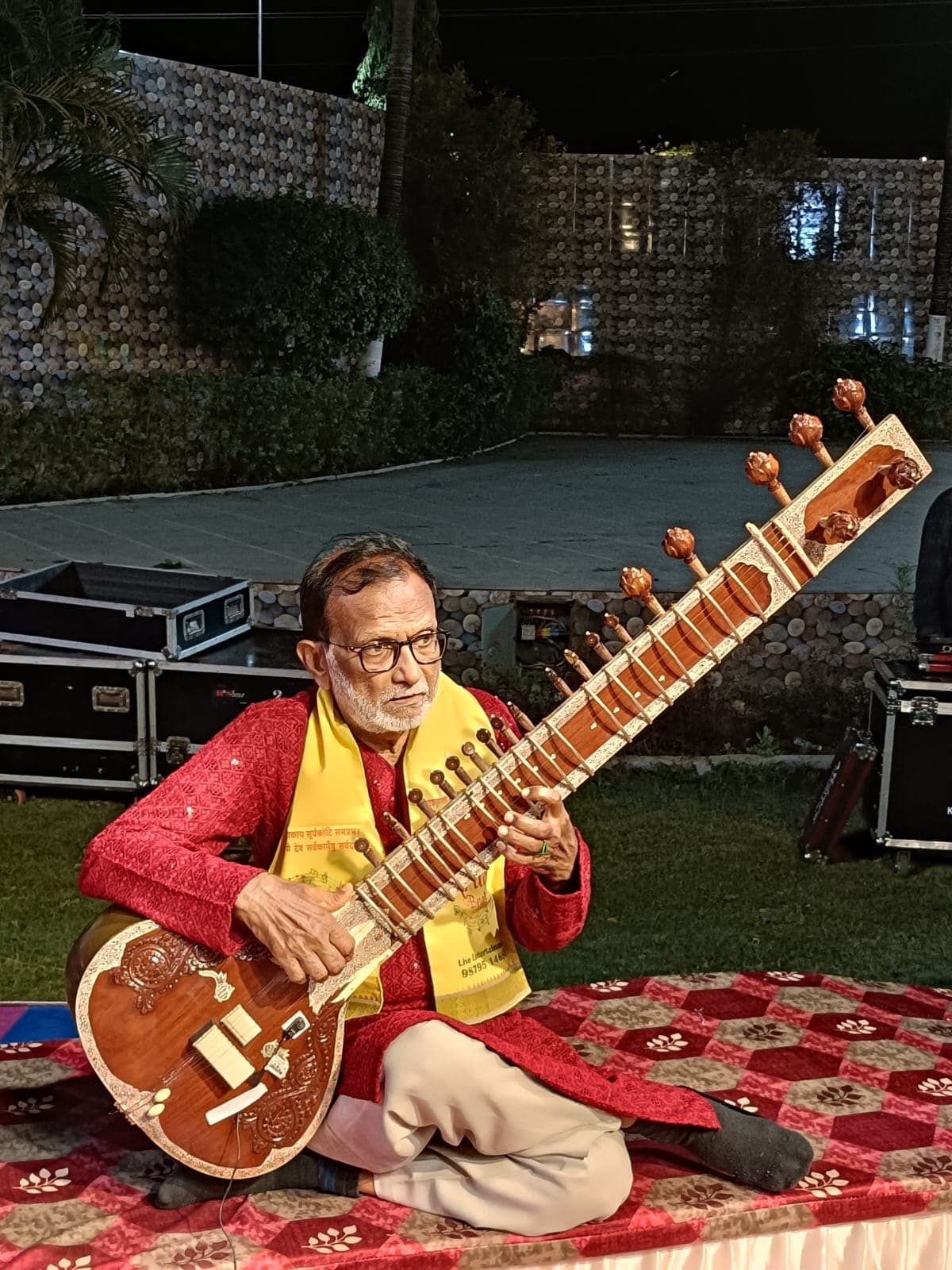
Sitar and harmonium rarely get the spotlight the way tabla or vocals do, but both are foundational to Indian classical and devotional music — one carries melody with extraordinary nuance, the other provides the harmonic bed that lets a vocalist or ensemble breathe. Understanding what each does helps explain why serious live setups still include them.
Sitar: melody with depth most instruments can't match
The sitar's sympathetic strings — additional strings beneath the main playing strings that resonate without being plucked directly — give it a natural, layered resonance unlike almost any other instrument. This is what allows a single sustained note to feel textured rather than flat, and it's why sitar remains central to Hindustani classical performance despite being technically demanding to learn and maintain.
Harmonium: the quiet backbone of devotional music
Where sitar demands a dedicated soloist, harmonium is almost always in a supporting role — but an essential one. In Bhakti Sangeet, bhajans, and devotional gatherings, harmonium provides the sustained harmonic foundation that lets a vocalist or group lead a call-and-response bhajan without losing pitch reference. Its portability and relatively gentle learning curve compared to sitar also make it one of the more accessible classical instruments for beginners to pick up.
Why both still matter in modern live performance
Even in setups built around keyboard, tabla, and modern instrumentation, a live band that can bring in sitar for a classical interlude or harmonium for a devotional segment offers a range that a purely modern ensemble can't. For Bhakti Sangeet, Vedic events, and traditional wedding functions especially, these instruments aren't nostalgic add-ons — they're often what gives the performance its emotional authenticity.
What to listen for in a well-played sitar segment
A skilled sitar player doesn't just play the correct notes — they use meend, the technique of bending a string to slide smoothly between pitches, to give a phrase its emotional shape rather than treating each note as a separate, isolated event. Listen for how a note sustains and subtly shifts in tone even after it's plucked; that's the sympathetic strings doing their work. This is also why sitar is difficult to feature briefly — a rushed two-minute interlude rarely does the instrument justice, and experienced performers usually ask for at least five to seven minutes of uninterrupted space to let a sitar segment build properly.
Learning sitar vs harmonium: which is more accessible to start
Harmonium is generally the more approachable instrument for a beginner — it uses a keyboard layout that's intuitive if you already have some musical background, and produces a full, in-tune sound immediately since the reeds are pre-tuned. Sitar has a much steeper learning curve: correct hand position, string tension, and fretting technique take considerably longer to develop, and the instrument itself requires more maintenance. Many classical music programs introduce harmonium or a similar keyboard instrument first, with sitar taken up later or by students specifically drawn to melodic instruments over rhythm or harmony.
When to specifically request sitar or harmonium in your booking
- Vedic events and havan ceremonies, where a live sitar or harmonium interlude adds a layer of traditional authenticity around the ritual.
- Bhakti Sangeet and devotional evenings, where harmonium is close to essential for authentic bhajan accompaniment.
- Wedding functions with a classical or traditional theme, where a sitar interlude during a quieter moment — the mandap setup, or a seated dinner segment — adds a distinctive touch most modern bands don't offer.
- Cultural association evenings or Sangeet Sandhya programs built around a classical or semi-classical theme.
Common misconceptions about classical instruments in modern events
A common assumption is that sitar and harmonium only suit fully classical or strictly traditional events, and would feel out of place in a modern wedding or corporate set. In practice, a skilled live band weaves a short sitar or harmonium passage into an otherwise contemporary set as a deliberate change of pace — during a seated dinner segment, a quiet transition between high-energy blocks, or a reflective moment during a mandap ceremony — rather than committing an entire event to a purely classical program. Used this way, these instruments add texture and depth rather than shifting the whole event's tone.
Sitar and harmonium in a wedding context specifically
During the mandap ceremony itself, a soft sitar or harmonium accompaniment underneath the priest's recitation can add a layer of traditional atmosphere without overpowering the ritual — something a full band at normal volume can't do as gracefully. During a seated dinner, a short classical interlude gives guests a genuine listening moment between louder dance segments elsewhere in the evening. These aren't the instruments that carry an entire wedding, but used at the right moments, they're often what guests remember as the most distinctive part of the live music.
How to request these instruments without over-specifying
It's enough to tell your performer you'd like sitar or harmonium featured, and roughly which moment of the event you have in mind — the entry, the dinner segment, a devotional interlude. Beyond that, let an experienced performer decide the exact placement and duration; over-specifying the timing to the minute often works against the instrument's strength, which is its ability to read the room and extend or shorten a passage based on how it's actually landing in the moment.
Setup considerations for live events
Sitar is genuinely sensitive to humidity and temperature swings, which can affect tuning stability during a long outdoor event — this is one reason experienced performers ask about shade and covered stage options specifically when sitar is part of the booking. Harmonium is more forgiving but still needs a tuning check before each performance, since reed instruments can drift slightly over time and with travel. If you're booking either instrument for an outdoor destination wedding or an open-ground Vedic event, it's worth raising these setup needs with your performer well before the date.
Crystal Beats' live orchestra includes sitar, harmonium, tabla, and a full modern instrumental setup, allowing performances to move fluidly between classical, devotional, and contemporary repertoire within a single event. To learn more or book a performance, get in touch below.
Frequently Asked Questions
What role does sitar play in a live performance?
Its sympathetic strings give it a naturally layered resonance, letting a single sustained note feel textured rather than flat — which is why it remains central to classical interludes despite being technically demanding to play.
Why is harmonium important in devotional music?
It provides the sustained harmonic foundation that lets a vocalist or group lead a call-and-response bhajan without losing pitch reference.
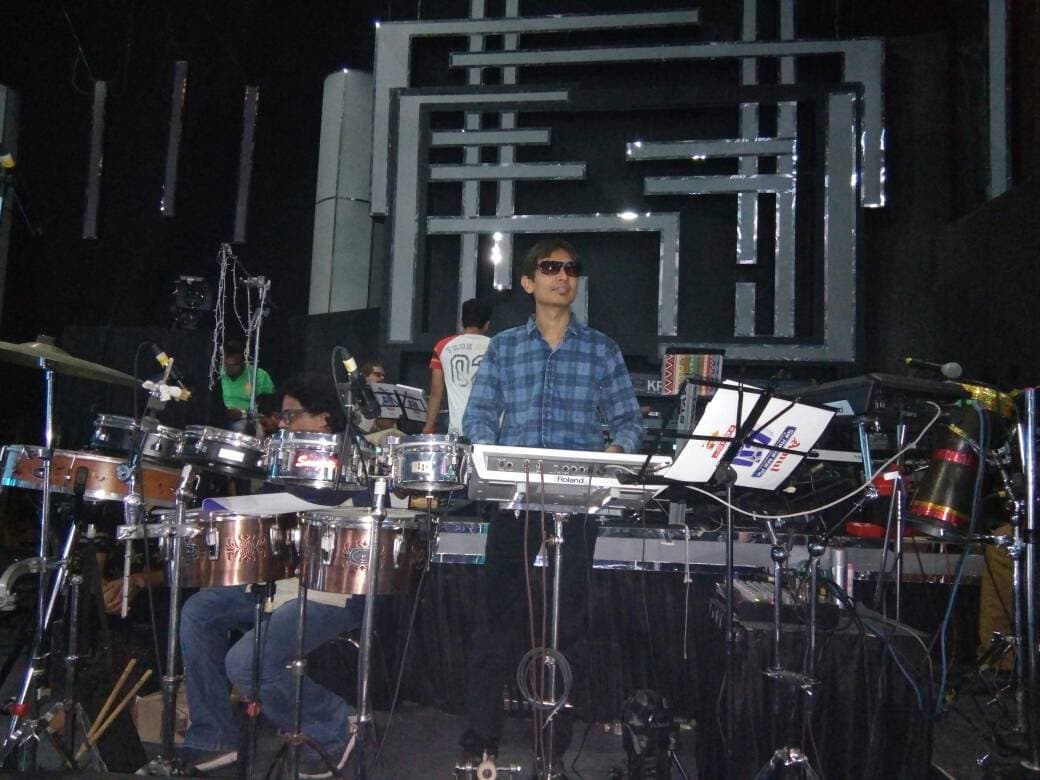
Written by Mrugesh Shukla, Tabla Visharad (distinction) and founder of Crystal Beats — 18+ years leading live performances and teaching at Crystal Beats Music Academy since 2007.
The guidance in this guide reflects real experience performing and teaching across Gujarat since 2007 — not generic advice.
In partnership with Rivavya Create and Trade LLP.
More from the blog

Garba Night Abroad: Bringing Authentic Gujarati Garba to Your NRI Sangeet
Garba at an NRI sangeet abroad can fall flat without a live dhol and a band that knows how to read an out-of-practice crowd. Here's how to get it right.
Booking an Indian Wedding Band From India for Your NRI Wedding Abroad
Flying a live band in from India for a UK, US, or Canada wedding takes different planning than a local booking. Here's the practical guide — lead times, logistics, and what to ask.
Questions to Ask a Band Master Before You Book
A quick checklist of questions to ask before confirming your wedding or event's band master — covering experience, instrument range, and logistics.