
Live Band · Live Orchestra · Event Planning
Live Band vs Full Orchestra: What's the Difference

The terms 'live band' and 'live orchestra' get used almost interchangeably in casual conversation, but they usually refer to genuinely different setups — and knowing the difference helps you brief a performer accurately and set realistic expectations for both sound and budget.
What typically counts as a live band
A live band usually refers to a smaller lineup — often four to six musicians — covering the essentials: a lead vocalist, keyboard, one or two percussion instruments, and sometimes guitar. It's built for flexibility and can adapt to smaller venues, tighter budgets, or more intimate functions without losing its core sound.
What typically counts as a full orchestra
A full orchestra scales this up considerably — eight or more musicians covering multiple percussion instruments (tabla, dhol, octapad, drums), a fuller string or wind presence (sitar, flute), keyboard, guitar, and often multiple vocalists. The goal is a genuinely 'live concert' sound and stage presence, suited to larger venues and bigger guest lists.
Which one suits your event
- Intimate functions (ring ceremony, small family gatherings): a live band, often scaled down further to a duo or trio.
- Mid-sized weddings and celebrations: a live band is usually sufficient and cost-effective without losing energy.
- Large receptions, big Garba nights, and major corporate galas: a full orchestra delivers the scale and stage presence these events call for.
How the sound actually differs, not just the headcount
The difference isn't purely about musician count — a full orchestra genuinely produces a fuller, more layered sound because multiple percussion and melodic instruments are playing complementary parts simultaneously, rather than one instrument covering several roles at once as often happens in a smaller band. This is most noticeable during high-energy passages, where a full orchestra can build a wall of sound a smaller lineup simply can't replicate, regardless of individual musicianship.
Budget doesn't have to mean choosing only one format
Some events use a hybrid approach — a smaller live band for quieter, earlier functions like the ring ceremony or Mehndi, scaling up to a full orchestra only for the reception or a major Sangeet. This lets you allocate budget toward the moments that benefit most from a bigger sound, without paying for orchestra-scale production across every single function on the calendar.
Venue size should guide the decision as much as guest count
A large guest list in a relatively small or acoustically tight venue doesn't always need a full orchestra — sometimes a well-mixed live band actually sounds better in a constrained space than an oversized ensemble competing for room. Discussing your specific venue's size and acoustics with your performer, not just your guest count, leads to a more accurate recommendation than guest numbers alone.
Staging and logistics differences between the two formats
Beyond sound, a full orchestra also has practical staging implications a smaller band doesn't — more stage space, more power capacity, longer load-in and sound-check time, and generally more advance coordination with the venue. A live band, by contrast, can often be accommodated with relatively minimal setup, which matters for venues with real space or timing constraints. Confirming these logistics with your venue before finalising the format avoids discovering a mismatch too close to the event date to easily resolve.
A quick way to decide which format fits your event
A useful rule of thumb is to think in terms of guest count and venue type together: under roughly 150 guests in a moderately sized hall or home setting usually points toward a live band, while several hundred guests in a large banquet hall, open ground, or resort property usually points toward a full orchestra. This isn't a strict formula, since the right choice also depends on how much of the event centres on dancing versus quieter conversation, but it's a reasonable starting point for a conversation with your performer about which format actually suits your specific event.
Crystal Beats offers both formats — a compact live band for intimate functions and a full live orchestra for larger celebrations — scaled to fit your event's actual size. To discuss which format suits your event, reach out below.
Frequently Asked Questions
What's the main difference between a live band and a full orchestra?
Scale — a live band is typically four to six musicians covering the essentials, while a full orchestra is eight or more, adding fuller percussion, strings, and multiple vocalists for a genuine concert sound.
Which format suits a large reception or Garba night?
A full orchestra generally suits larger venues and bigger guest lists better, delivering the scale and stage presence a live band alone may not fully carry.
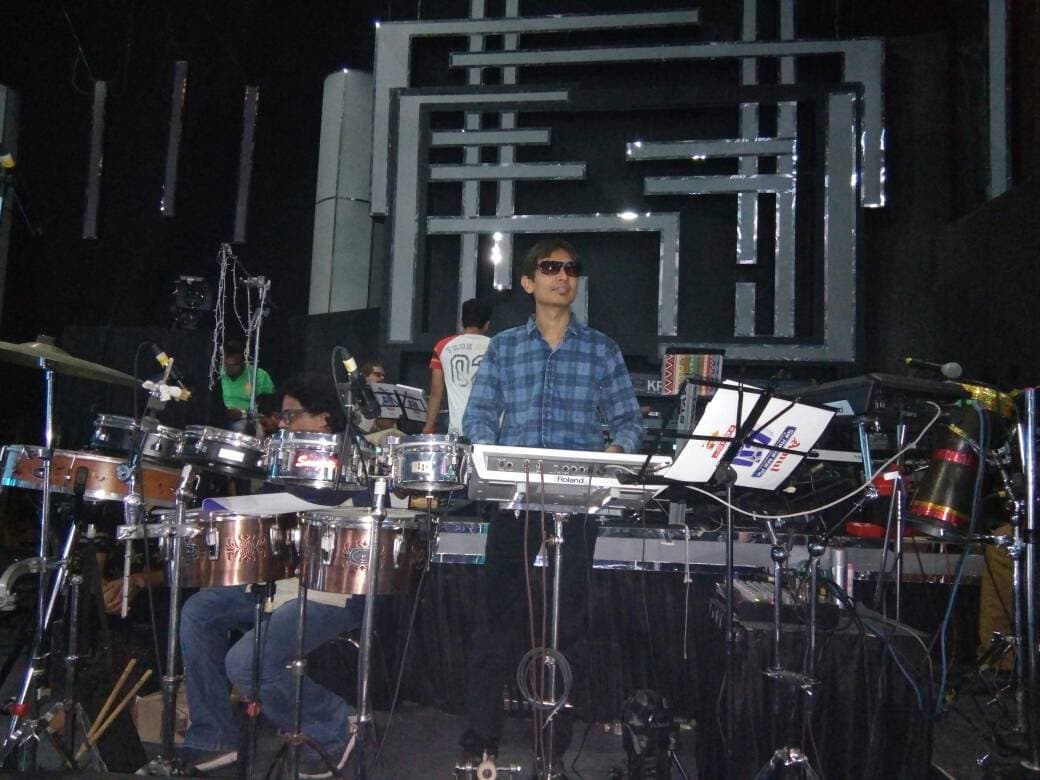
Written by Mrugesh Shukla, Tabla Visharad (distinction) and founder of Crystal Beats — 18+ years leading live performances and teaching at Crystal Beats Music Academy since 2007.
The guidance in this guide reflects real experience performing and teaching across Gujarat since 2007 — not generic advice.
In partnership with Rivavya Create and Trade LLP.
More from the blog
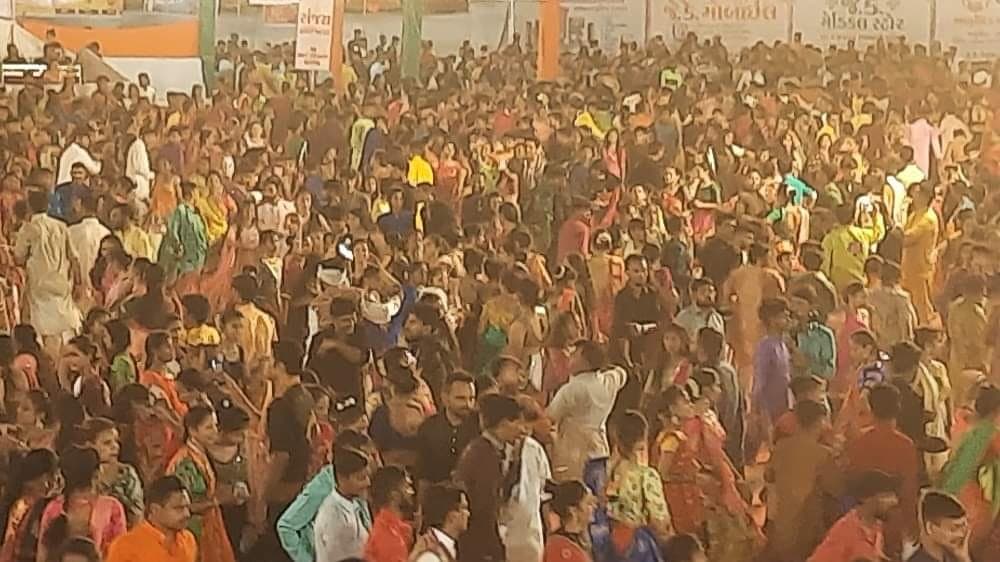
Garba Night Abroad: Bringing Authentic Gujarati Garba to Your NRI Sangeet
Garba at an NRI sangeet abroad can fall flat without a live dhol and a band that knows how to read an out-of-practice crowd. Here's how to get it right.
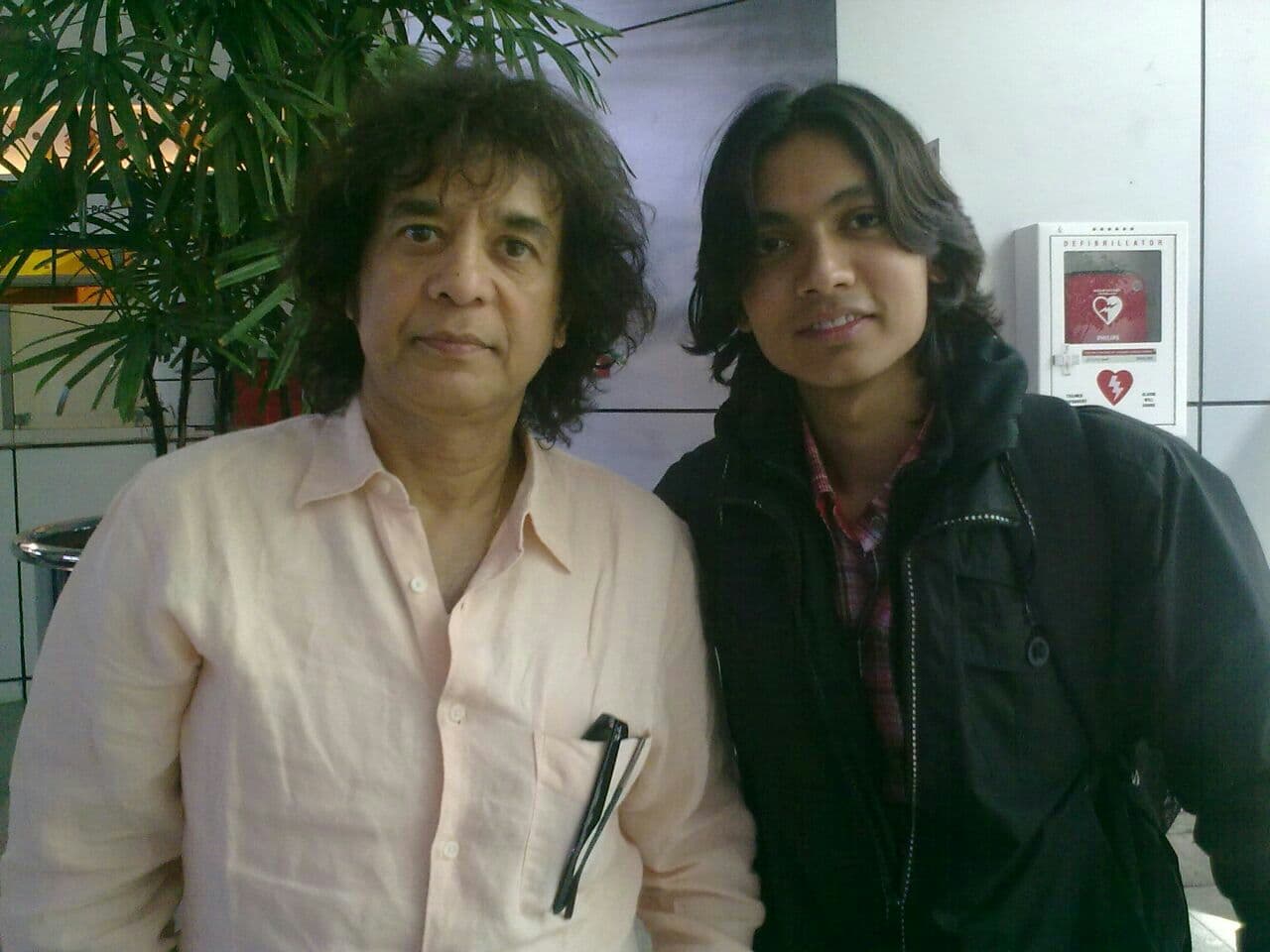
Booking an Indian Wedding Band From India for Your NRI Wedding Abroad
Flying a live band in from India for a UK, US, or Canada wedding takes different planning than a local booking. Here's the practical guide — lead times, logistics, and what to ask.
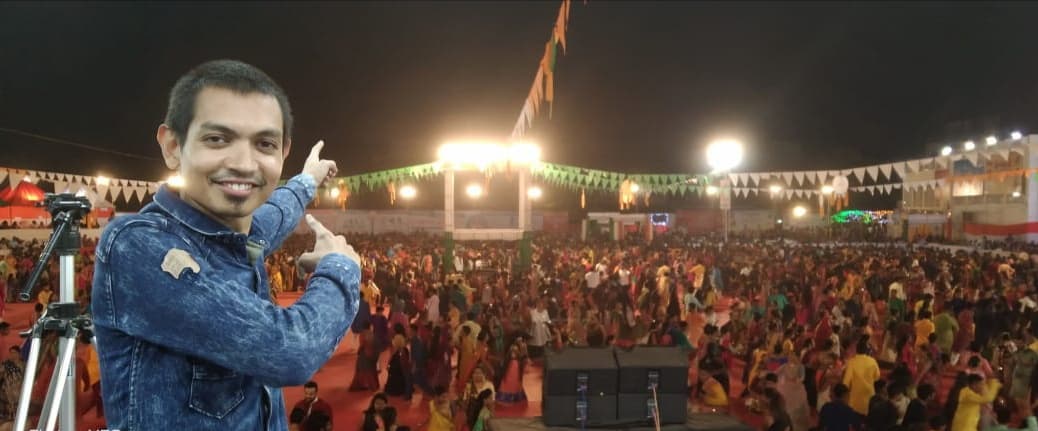
Questions to Ask a Band Master Before You Book
A quick checklist of questions to ask before confirming your wedding or event's band master — covering experience, instrument range, and logistics.