
Wedding Reception · Live Music · Entertainment
Why Live Music Beats a DJ for Your Wedding Reception
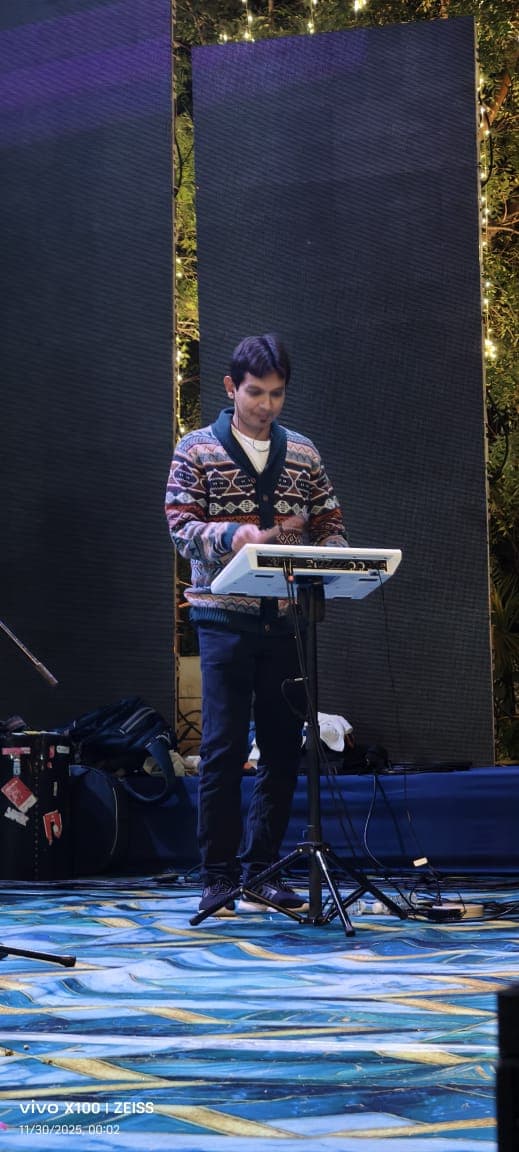
This isn't a blanket case against DJs — they're excellent for late-night open dance floors and have a place in most modern wedding calendars. But for the reception specifically, where guests are watching more than dancing for much of the evening, live music does something a DJ set structurally can't.
Live music reacts to the room in real time
A live band can extend a song when the dance floor is at its peak, shorten one that's losing the room, or shift key and tempo mid-set to match the mood — a toast, a couple's first dance, a surprise guest arriving. A DJ working from a pre-built playlist can approximate this with good mixing skills, but a live vocalist reading the crowd and adjusting phrasing note to note is a different category of responsiveness.
It photographs and films better
Increasingly, couples care about how their reception looks in photos and reels, not just how it sounds. A live band on stage — instruments, a lead vocalist, visible energy — creates a far more dynamic visual backdrop than a DJ booth, and it gives your videographer far more usable footage.
It elevates the emotional moments
- The couple's entrance feels more cinematic with a live vocalist building into the moment than with a track simply starting on cue.
- Speeches and toasts transition more naturally into music when a live band can underscore them softly rather than cutting sharply between silence and a track.
- Guests genuinely remember live performances longer — there's a reason 'the singer was incredible' is one of the most common pieces of wedding feedback.
What guests actually remember afterward
Ask couples a few months after their wedding what they remember about the entertainment, and it's rarely a specific track that gets mentioned — it's a moment: a vocalist nailing the couple's favourite song live, a band reading the room and stretching a song exactly when the floor was at its peak. Recorded music can deliver a great party. It's live performance that tends to produce the moments people are still talking about at the next family wedding.
The practical case for a hybrid approach
If budget is a real constraint, the most common solution is a live band or orchestra for the ceremony, entrance, and early reception, followed by a DJ set for late-night dancing once the formal moments are over. This gets you the emotional impact of live music where it matters most, without doubling your entertainment budget.
What a DJ genuinely does better
This is worth being honest about. A skilled DJ has access to a far larger and more current song library than any live band can rehearse, can blend genres and eras seamlessly for a packed late-night dance floor, and generally costs less for the same number of hours. For the stretch of the night that's purely about open dancing to whatever's trending, a good DJ is often the better tool for the job — which is exactly why so many Gujarati weddings now book both rather than treating it as an either-or decision.
Sound quality considerations most couples don't think about
A live vocalist performing well-mixed sound in a good room can sound noticeably warmer and more present than a recorded track played through the same PA system — recordings are mixed for headphones and car speakers, not for a banquet hall with hard floors and high ceilings. On the other hand, a live band is only as good as its sound engineer; a poorly mixed live vocal can sound worse than a clean recording. Ask any live band you're considering who handles their sound mixing and whether they bring their own engineer, rather than relying on whoever the venue provides.
Questions to ask before choosing live music over a DJ-only plan
- How large is your live repertoire, and can you learn a small number of specific requests ahead of our date?
- Do you bring your own sound engineer, or rely on the venue's setup?
- Can your band transition smoothly into a DJ-style late set, or do we need to book both separately with a clear handover time?
- What happens if a musician is unwell close to the date — do you have a backup player on call?
How to evaluate a live band's repertoire before booking
Ask for videos of actual live performances rather than polished studio recordings — a studio track tells you little about how a band sounds in a real room with real crowd noise. Watching footage from an actual wedding reception, ideally one similar in size to yours, gives a far more honest sense of vocal stamina, sound mixing, and stage presence than any promotional reel edited for social media.
The lighting and staging difference
A live band interacts with venue lighting in a way a DJ booth doesn't — musicians moving, a vocalist working the stage, instruments catching light differently than a stationary booth setup. If photography and videography matter to you, ask your venue's lighting team and your band to coordinate on stage lighting specifically for the live segment, since generic ambient lighting often underserves a live performance compared to a DJ set where the visual focus is usually the dance floor rather than the stage itself.
A realistic reception timeline blending both
A common structure that works well: live band or orchestra for the couple's entrance and the first 60–90 minutes of the reception, including dinner background music and a handful of dance numbers; a short transition where the band eases the energy into a more open format; then a DJ takes over for the remainder of the night once the formal moments are done and the crowd wants continuous, high-tempo dance music. Agreeing this handover time with both parties in advance avoids any awkward overlap or dead air between sets.
Crystal Beats provides full live orchestra setups for wedding receptions across Gujarat — tabla, keyboard, guitar, and a live vocal lead, customised to your family's musical taste. Get in touch through the booking form to check availability for your date.
Frequently Asked Questions
Why is live music better than a DJ for a wedding reception?
A live band can react to the room in real time — extending or shortening songs, shifting tempo for key moments — and it creates a far more dynamic visual backdrop for photos and video than a DJ booth.
Can I combine live music and a DJ at my wedding?
Yes — the most common approach is a live band or orchestra for the ceremony, entrance, and early reception, followed by a DJ set for late-night dancing once the formal moments are over.
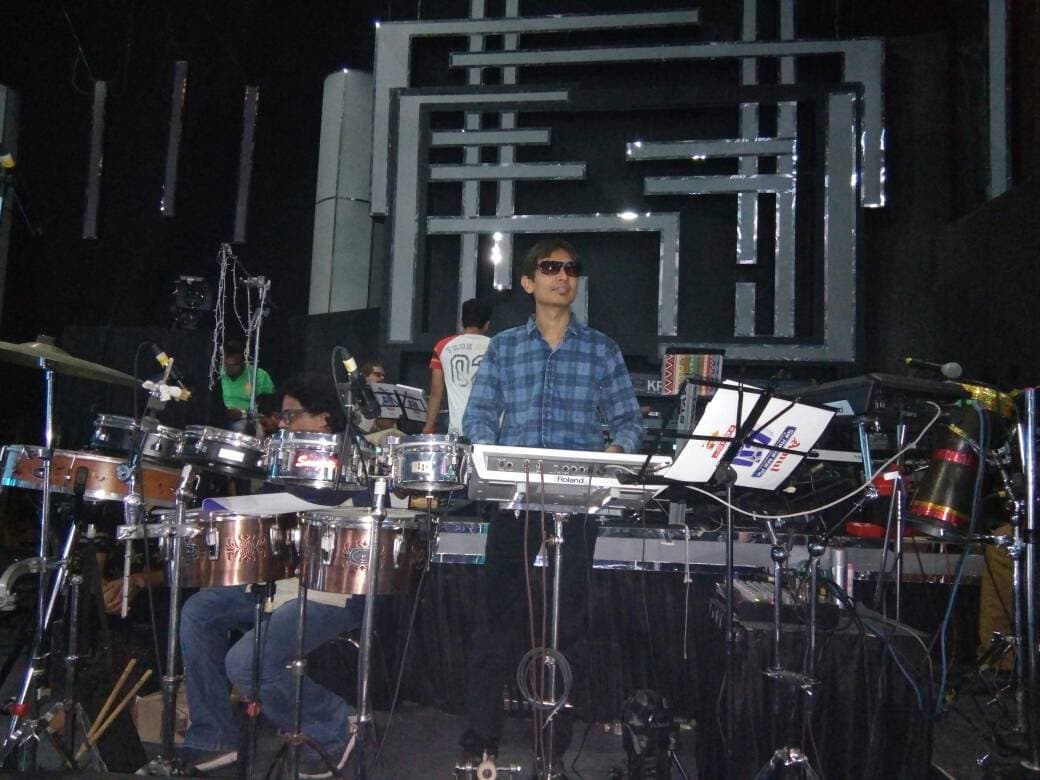
Written by Mrugesh Shukla, Tabla Visharad (distinction) and founder of Crystal Beats — 18+ years leading live performances and teaching at Crystal Beats Music Academy since 2007.
The guidance in this guide reflects real experience performing and teaching across Gujarat since 2007 — not generic advice.
In partnership with Rivavya Create and Trade LLP.
More from the blog
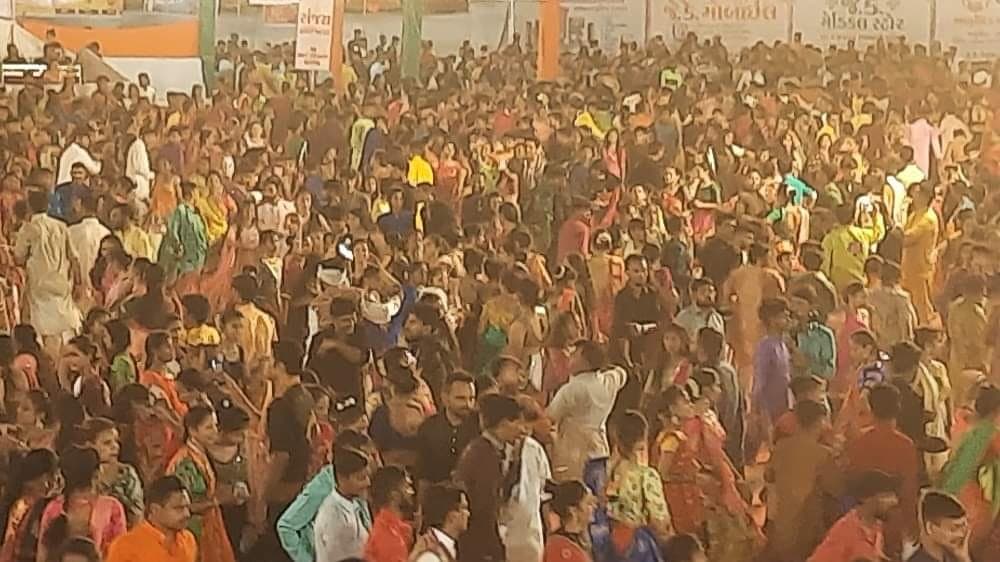
Garba Night Abroad: Bringing Authentic Gujarati Garba to Your NRI Sangeet
Garba at an NRI sangeet abroad can fall flat without a live dhol and a band that knows how to read an out-of-practice crowd. Here's how to get it right.
Booking an Indian Wedding Band From India for Your NRI Wedding Abroad
Flying a live band in from India for a UK, US, or Canada wedding takes different planning than a local booking. Here's the practical guide — lead times, logistics, and what to ask.
Questions to Ask a Band Master Before You Book
A quick checklist of questions to ask before confirming your wedding or event's band master — covering experience, instrument range, and logistics.