
Octapad · Live Percussion · Music Education
What Is an Octapad and Why Live Bands Use It
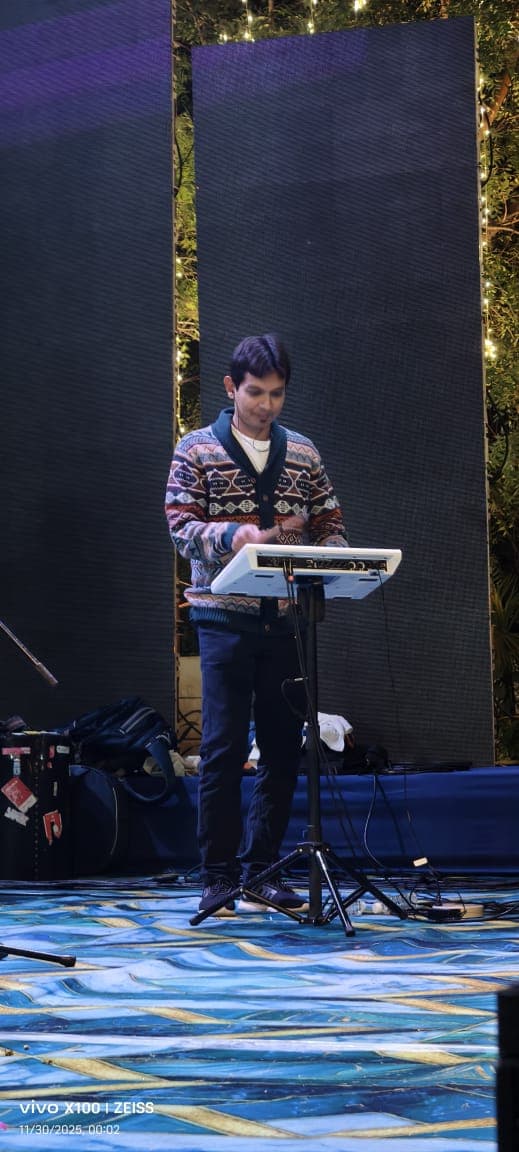
If you've watched a live Indian band and noticed a musician playing what looks like a padded electronic drum kit alongside tabla or dhol, that's almost certainly an octapad — one of the more misunderstood instruments in a modern live setup, and also one of the most useful.
What an octapad actually does
An octapad is an electronic percussion instrument with multiple playing pads, each capable of triggering a different sampled sound — tabla, dholak, drum kit hits, sound effects, even melodic samples. A skilled player can move between traditional Indian percussion tones and modern drum-kit sounds within a single song, something no single acoustic instrument can do on its own.
Why it's become a live-band staple
- It bridges traditional and modern percussion, letting a band shift from a Garba beat to a Bollywood groove without swapping instruments.
- It's compact and portable compared to carrying a full acoustic percussion setup, which matters for events with tight stage space.
- It gives a solo percussionist the range of multiple instruments, useful for smaller live setups that still need a full rhythmic sound.
What to listen for from a skilled octapad player
The difference between an average and an excellent octapad player isn't really about the equipment — it's about musicality. A good player uses the instrument's range with restraint, choosing sounds that suit the song rather than showing off every available tone, and locks in tightly with the rest of the rhythm section rather than playing over it.
Octapad's place in Garba and folk performance specifically
During a Garba night, octapad often works in tandem with a live dhol player, with the octapad filling in additional rhythmic texture and occasional melodic percussion hits that a single dhol player can't produce alone. This pairing has become a common feature of larger, more produced Garba setups, where the goal is a fuller, more layered sound than a traditional dhol-and-tabla combination alone provides.
Learning octapad: what beginners should expect
Students starting octapad typically begin with basic pad triggering and simple rhythmic patterns, gradually building toward using multiple pads in combination and eventually incorporating the instrument's melodic and sound-effect capabilities. Because it's built on electronic triggers rather than acoustic technique, early progress often feels faster than on tabla, though developing genuine musicality — knowing which sounds to use and when — still takes real time and guided practice.
Choosing an octapad player for your event
Because octapad covers such a wide sonic range, it's worth asking a prospective performer specifically what sound sets they use and whether they can demonstrate both traditional percussion tones and more modern, effects-driven playing. A player who leans too heavily on one mode — either purely imitating acoustic instruments or overusing flashy electronic sounds — may not suit every event equally well.
Maintenance and reliability considerations
As an electronic instrument, octapad depends on power and cabling in a way acoustic percussion doesn't, which means a professional setup should always include backup cables and, ideally, a spare unit for longer or higher-stakes events. A performer who takes this seriously will typically test the full signal chain during sound check specifically, rather than just confirming the instrument powers on — a distinction that matters if something goes wrong mid-performance.
The learning curve compared to other percussion instruments
Octapad tends to sit between tabla and congo in terms of early learning difficulty — it demands less acoustic technique refinement than tabla since sound quality comes from the electronic pad rather than precise hand-strike technique, but genuinely mastering its full range and using it musically, rather than just triggering sounds mechanically, still takes real dedicated practice. Students often reach a functional playing level faster than on tabla, but the ceiling for true mastery is just as high, particularly once melodic and effects-driven playing enters the picture.
Octapad is a core part of the live setup at Crystal Beats, bridging traditional percussion and modern rhythm across weddings, Garba nights, and corporate events. Crystal Beats Music Academy also teaches octapad to students in Nadiad — reach out through the contact form to learn more about lessons or live bookings.
Frequently Asked Questions
What is an octapad?
An electronic percussion instrument with multiple playing pads, each capable of triggering a different sampled sound — from tabla and dholak tones to modern drum-kit hits.
Why do live bands use octapad instead of just acoustic percussion?
It bridges traditional and modern percussion in one compact instrument, letting a band move between a Garba beat and a Bollywood groove without swapping equipment.
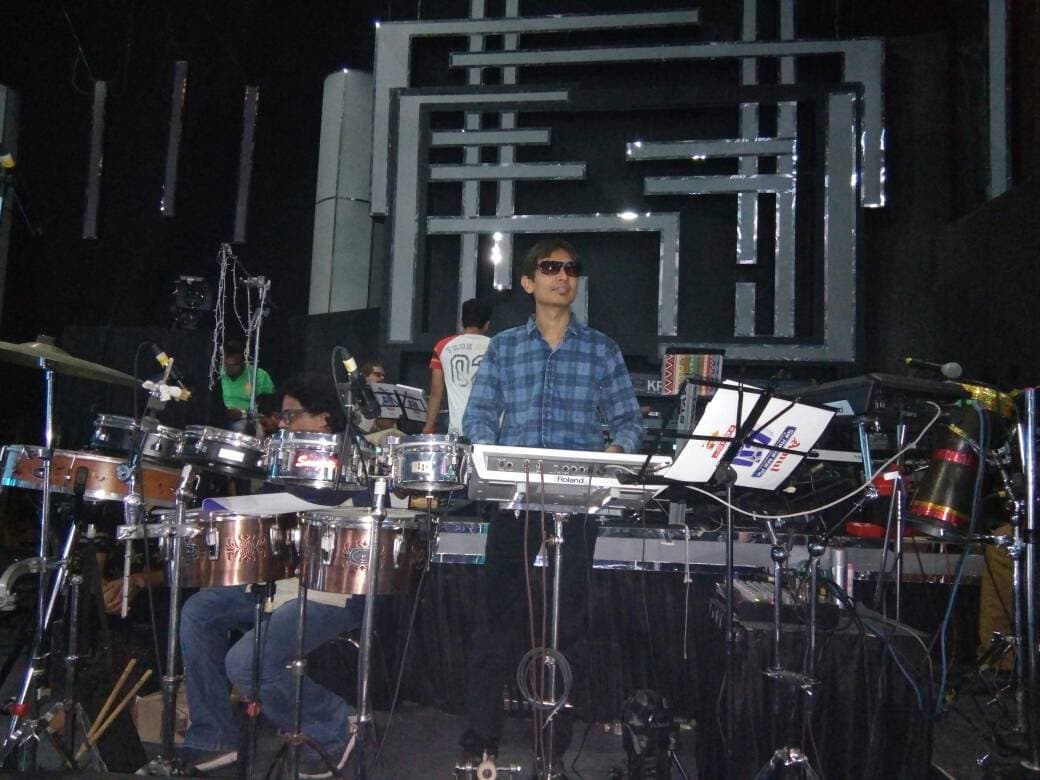
Written by Mrugesh Shukla, Tabla Visharad (distinction) and founder of Crystal Beats — 18+ years leading live performances and teaching at Crystal Beats Music Academy since 2007.
The guidance in this guide reflects real experience performing and teaching across Gujarat since 2007 — not generic advice.
In partnership with Rivavya Create and Trade LLP.
More from the blog
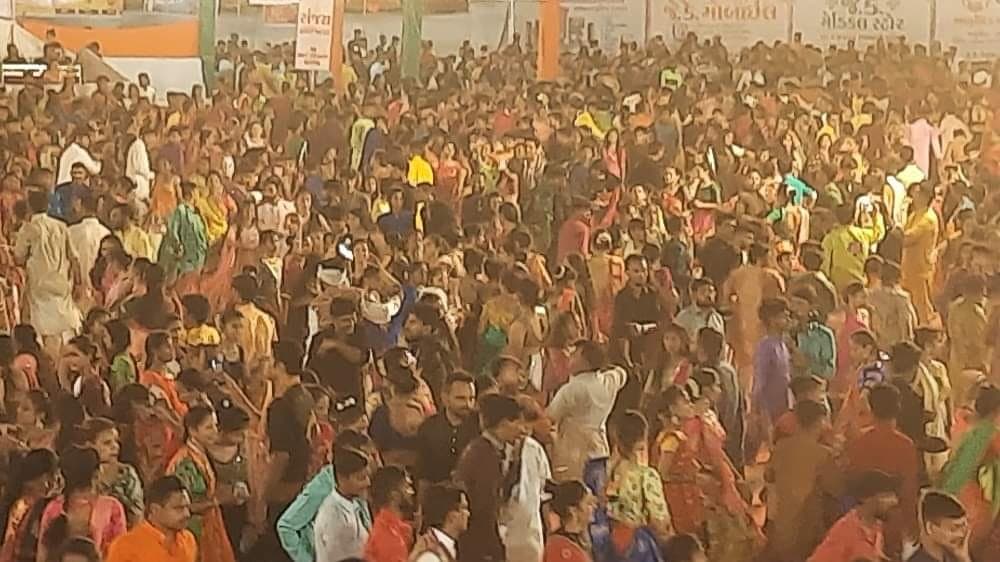
Garba Night Abroad: Bringing Authentic Gujarati Garba to Your NRI Sangeet
Garba at an NRI sangeet abroad can fall flat without a live dhol and a band that knows how to read an out-of-practice crowd. Here's how to get it right.
Booking an Indian Wedding Band From India for Your NRI Wedding Abroad
Flying a live band in from India for a UK, US, or Canada wedding takes different planning than a local booking. Here's the practical guide — lead times, logistics, and what to ask.
Questions to Ask a Band Master Before You Book
A quick checklist of questions to ask before confirming your wedding or event's band master — covering experience, instrument range, and logistics.