
Bhajan · Kirtan · Bhakti Sangeet
Bhajan, Kirtan, or Bhakti Sangeet: What's the Difference
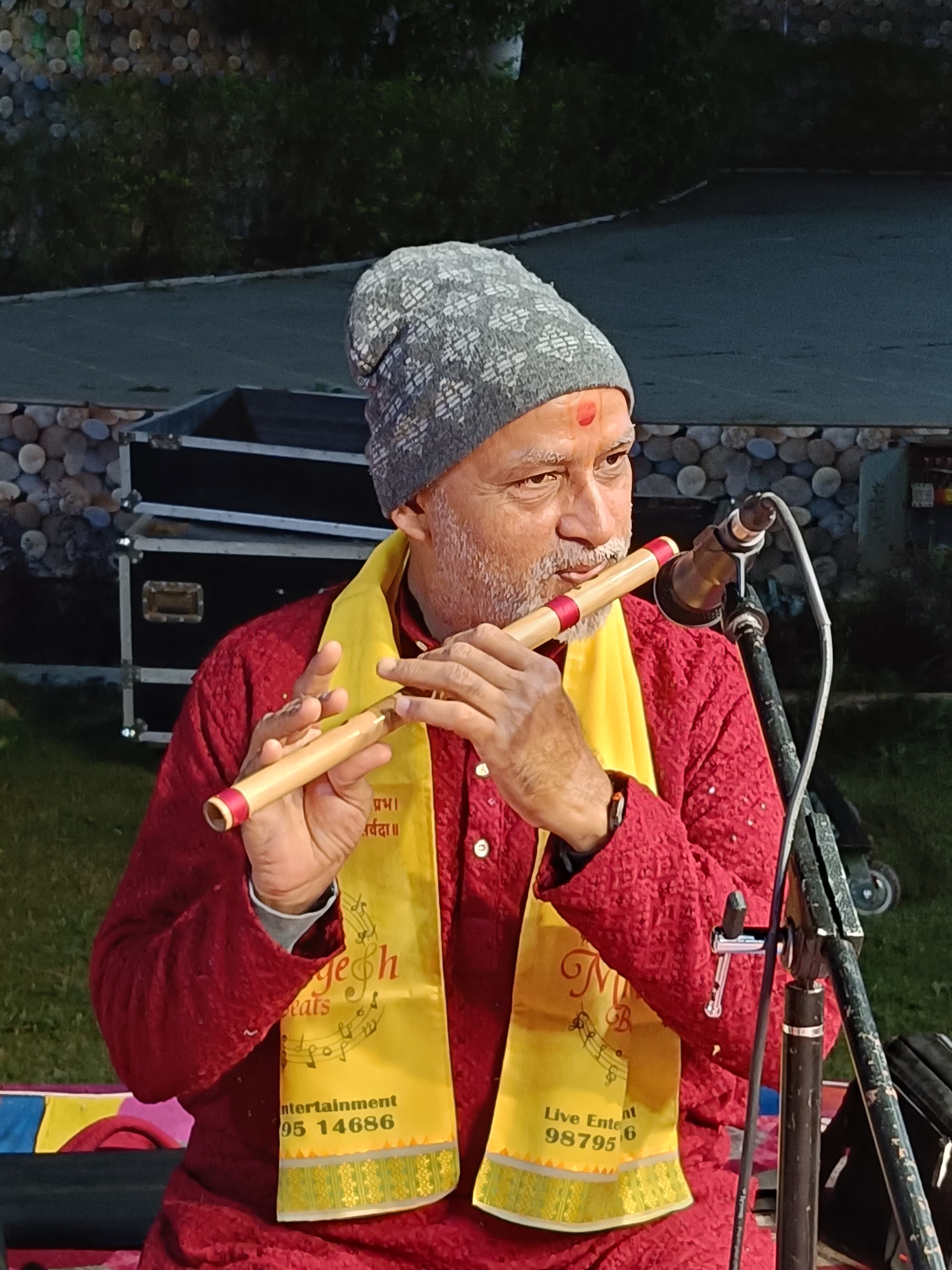
Bhajan, kirtan, and Bhakti Sangeet all fall under the broader umbrella of devotional music, and in everyday conversation people often use the three terms interchangeably. They're related, but each describes a slightly different format — and knowing the distinction helps you brief a performer with the right expectations.
Bhajan: a devotional song, sung or performed
A bhajan, at its simplest, is an individual devotional song — often addressed to a specific deity, built around simple, memorable melodies that are easy for a group to follow. Bhajans can be performed as standalone pieces within a larger program, or as part of a longer kirtan session.
Kirtan: call-and-response devotional singing
Kirtan specifically refers to the call-and-response format — a lead vocalist sings a line, and the group repeats or responds, often building in intensity and tempo as the session continues. It's inherently participatory rather than a passive listening experience, and a kirtan session can run considerably longer than a single bhajan, sometimes building toward an extended, almost trance-like communal singing session.
Bhakti Sangeet: the broader devotional program
Bhakti Sangeet is the broadest of the three terms, referring to an entire devotional musical evening or program that might include multiple bhajans, kirtan segments, and a structured arc — opening gently, building toward well-known community favourites, and closing with an Aarti. When someone books a 'Bhakti Sangeet evening,' they're usually asking for this full structured program, not a single song or format.
Why the distinction matters when booking
- If you want a single devotional song within a larger event, ask for a bhajan specifically.
- If you want an extended, participatory group singing session, ask for kirtan.
- If you want a full standalone devotional evening with a proper arc and structure, ask for Bhakti Sangeet.
How audience participation differs across the three formats
Audience involvement is one of the clearest practical differences between the three. A bhajan performed as part of a larger program is often listened to more than sung along with, especially if it's less familiar to the specific audience. Kirtan is built entirely around participation — the room is expected to respond and repeat. A full Bhakti Sangeet program usually moves through both modes across its length, opening more reflectively and building toward the kind of collective, participatory energy kirtan brings.
Choosing the right format for your specific gathering
A small home gathering or a memorial event often suits a shorter, more contained bhajan set better than a full extended kirtan session, which can feel disproportionately long for a smaller, quieter occasion. A large temple or trust-organised community event, on the other hand, usually benefits from a full Bhakti Sangeet structure, since it has both the audience size and the occasion's scale to sustain a longer, building program.
Briefing your performer on regional and community preferences
Devotional repertoire varies meaningfully by community and regional tradition, and a performer experienced across Gujarat's diverse devotional traditions will typically ask which specific bhajans or deities are most meaningful to your particular gathering, rather than defaulting to a generic, one-size-fits-all set. This detail matters more here than in almost any other event type, since devotional music carries real personal and community significance for most attendees.
How performers train differently for each format
A performer skilled at standalone bhajan singing doesn't automatically excel at leading kirtan, since the two demand genuinely different skills — bhajan performance rewards vocal control and emotional delivery of a fixed piece, while kirtan leadership requires reading a live room, sustaining energy over an extended, semi-improvised session, and drawing an audience into active participation rather than passive listening. When booking specifically for a kirtan-style evening, it's worth asking directly about a performer's experience leading group call-and-response sessions, not just their general devotional singing ability.
How long each format typically runs
As a rough guide, a single bhajan performance within a larger event might run just a few minutes, a dedicated kirtan session commonly runs somewhere between thirty minutes and an hour depending on how the room responds, and a full Bhakti Sangeet program is often planned for two to three hours to allow its full arc — opening, building, and closing with Aarti — to unfold properly. Sharing your available time window with your performer early helps them structure the right format and pacing for the time you actually have, rather than either rushing an ending or running out of planned material too soon.
Crystal Beats performs bhajans, kirtan, and full Bhakti Sangeet programs across Gujarat, tailoring the format to what your gathering actually needs. If you're planning a devotional event, reach out through the booking form on this site to discuss the right format.
Frequently Asked Questions
What is the difference between a bhajan and kirtan?
A bhajan is an individual devotional song, while kirtan is a call-and-response format where a lead vocalist sings a line and the group repeats or responds, often building in intensity over an extended session.
What does booking a 'Bhakti Sangeet' evening actually mean?
It usually means a full structured devotional program — multiple bhajans and kirtan segments building toward well-known favourites and closing with an Aarti — rather than a single song or format.
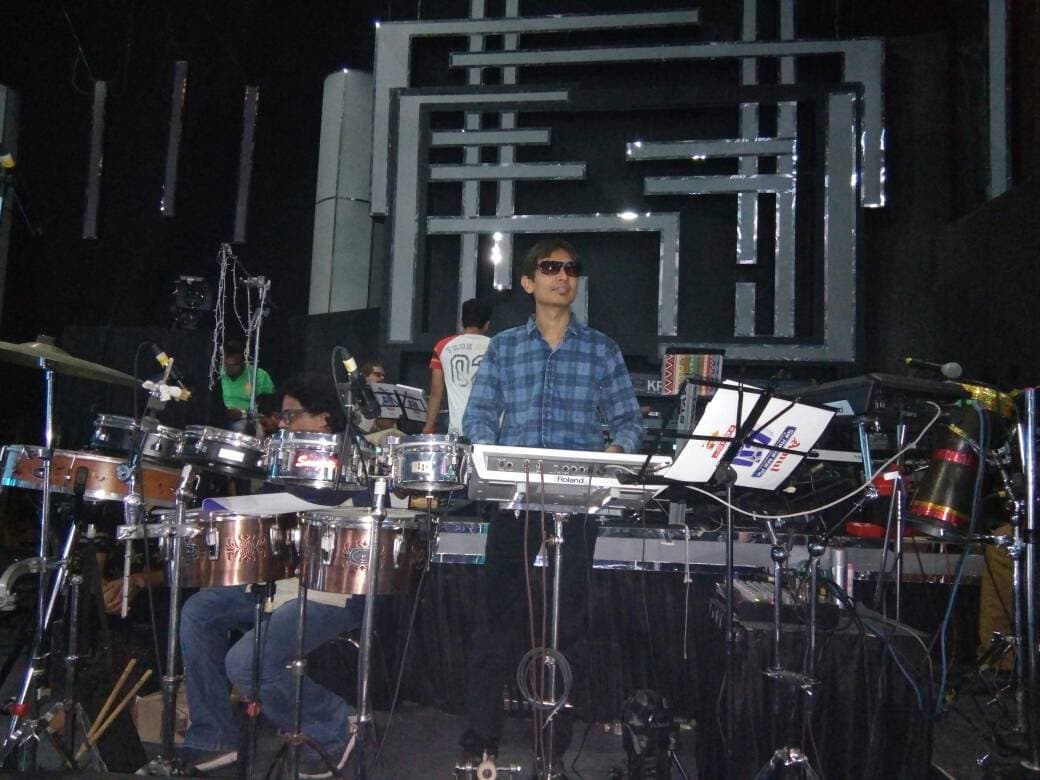
Written by Mrugesh Shukla, Tabla Visharad (distinction) and founder of Crystal Beats — 18+ years leading live performances and teaching at Crystal Beats Music Academy since 2007.
The guidance in this guide reflects real experience performing and teaching across Gujarat since 2007 — not generic advice.
In partnership with Rivavya Create and Trade LLP.
More from the blog
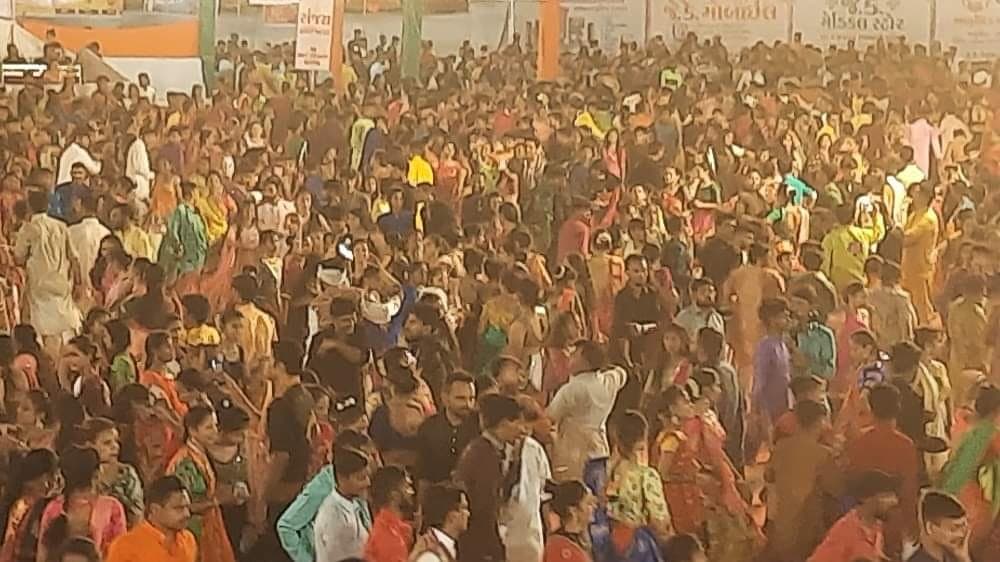
Garba Night Abroad: Bringing Authentic Gujarati Garba to Your NRI Sangeet
Garba at an NRI sangeet abroad can fall flat without a live dhol and a band that knows how to read an out-of-practice crowd. Here's how to get it right.
Booking an Indian Wedding Band From India for Your NRI Wedding Abroad
Flying a live band in from India for a UK, US, or Canada wedding takes different planning than a local booking. Here's the practical guide — lead times, logistics, and what to ask.
Questions to Ask a Band Master Before You Book
A quick checklist of questions to ask before confirming your wedding or event's band master — covering experience, instrument range, and logistics.