
Bhakti Sangeet · Devotional Music · Culture
The Significance of Bhakti Sangeet in Modern Celebrations
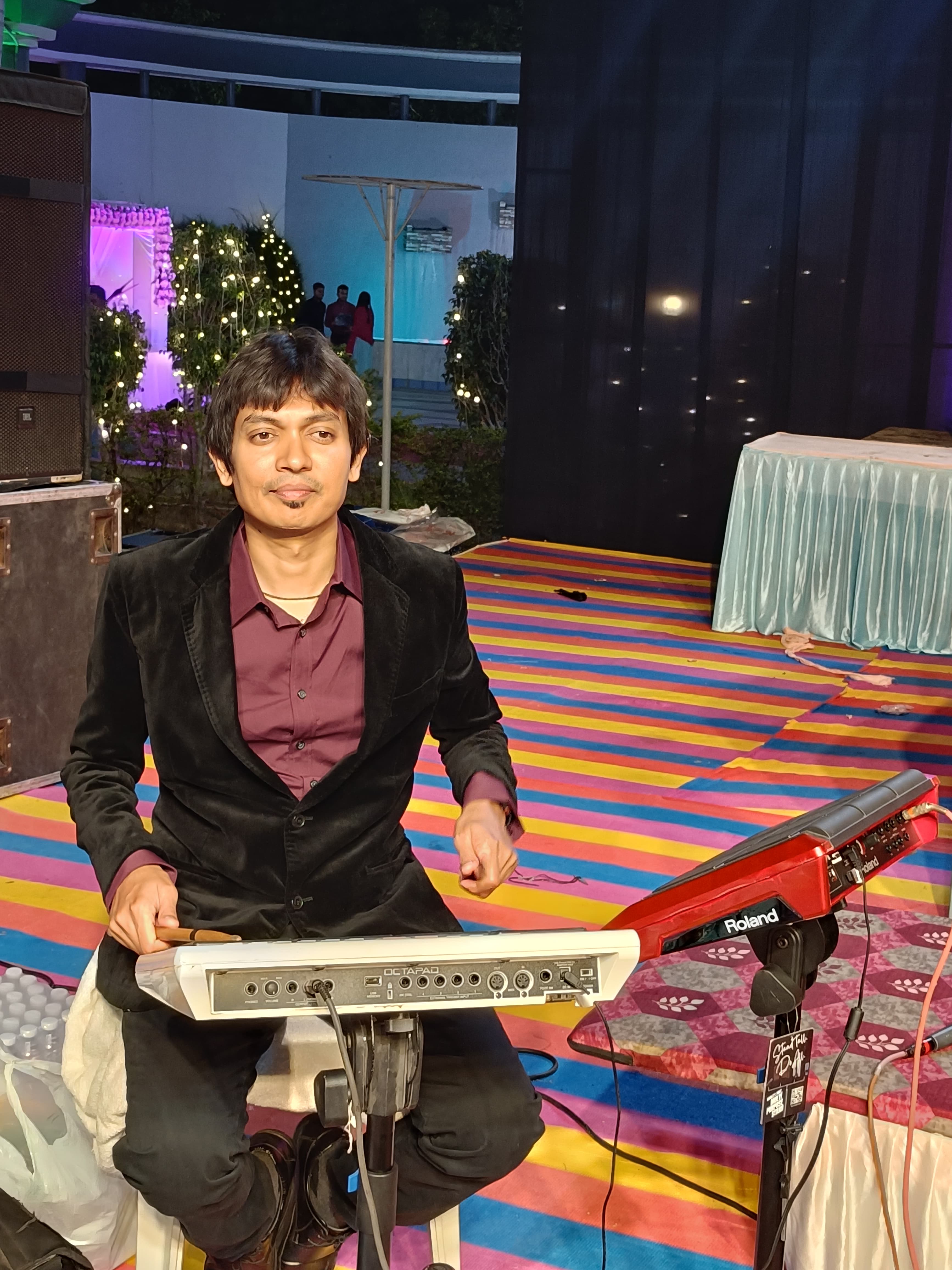
Amid the trend toward louder, more spectacle-driven event entertainment, Bhakti Sangeet — devotional musical gatherings built around bhajans and kirtan — has quietly grown, not shrunk. Temples, community trusts, and even families planning otherwise modern weddings are increasingly including a devotional evening somewhere in their calendar. The reason is simple: it offers something a Sangeet or reception can't — a shared, reflective moment rather than constant stimulation.
What a Bhakti Sangeet evening typically includes
- A live accompaniment of harmonium, tabla, and often a supporting vocal chorus for call-and-response bhajans.
- A setlist that usually opens gently, builds toward well-known community favourites, and closes with an Aarti.
- Space for audience participation — unlike a concert, Bhakti Sangeet is meant to be sung along with, not just watched.
Why families and trusts are booking it more
Part of it is generational — families want younger members to experience devotional music in a live setting rather than only through recordings. Part of it is practical: a Bhakti Sandhya or Bhakti Sangeet evening works for a wider range of occasions than a typical concert — housewarming, a senior member's milestone birthday, a memorial gathering, or a standalone community event tied to a festival calendar.
What makes a devotional performer worth booking
Technical skill matters less here than emotional authenticity and range. A strong Bhakti Sangeet performer needs a genuine grounding in classical and folk devotional repertoire, the vocal control to sustain a two-to-three-hour set without losing intimacy, and — critically — the instinct to read a room that isn't there to dance, but to feel something.
Bhajan Sandhya, kirtan, and satsang — related but distinct formats
'Bhakti Sangeet' is often used as an umbrella term, but it helps to know the format options within it. A Bhajan Sandhya centres on structured devotional songs performed by the lead artist with the audience joining the chorus. A kirtan leans more toward call-and-response chanting, often built around repeated names or short devotional phrases that build in intensity. A satsang is broader still, sometimes including short spiritual readings or reflections between musical segments. Telling your performer which format you have in mind — or asking them to recommend one based on the occasion — shapes the evening more than almost any other single decision.
Choosing the right setting and time of day
Bhakti Sangeet events work well both indoors and outdoors, but the setting should match the mood you want. An evening start, around dusk, tends to suit the reflective tone best — the transition from daylight to evening mirrors the way a good setlist itself builds from gentle to intense and back to calm. Indoor temple halls or community centres offer better acoustics for the quieter opening and closing sections, while a courtyard or open ground works well for a larger crowd during the participatory middle stretch.
What to plan yourself, and what to leave to the performer
Families booking a Bhakti Sangeet should decide in advance which specific bhajans or deities hold personal significance for the occasion — a housewarming might lean toward Ganesh or Lakshmi bhajans, a memorial toward more reflective compositions — and roughly how long they want the evening to run. Beyond that, the pacing, key, and transitions between songs are usually best left to an experienced performer; over-scripting the setlist can work against the very thing that makes a Bhakti Sangeet powerful, which is the ability to read the room and extend a moment that's genuinely landing.
How long should a Bhakti Sangeet evening run?
Most programs run two to three hours, long enough to build a genuine arc — a gentle opening, a participatory middle section, and a closing Aarti — without losing the audience's attention. Shorter 60–90 minute versions work well for smaller home gatherings, or as one segment within a larger event such as a housewarming that also includes a meal.
Why sound quality matters differently here
A Bhakti Sangeet audience is listening far more closely than a Garba or Sangeet crowd, which makes clarity more important than sheer volume. Harmonium and vocal tone need to come through cleanly rather than being buried under bass-heavy amplification. A performer experienced in this format usually mixes for warmth over output, and it's worth asking your sound engineer specifically about this rather than assuming a standard event PA setup will translate well.
Booking a Bhakti Sangeet as part of a larger celebration
Families increasingly fold a Bhakti Sangeet evening into a larger multi-day wedding or festival calendar — often the evening before the main ceremony, or as a quieter counterpart to a high-energy Sangeet on a different night. When combining it with other functions, give the devotional evening its own clearly bounded time slot rather than treating it as a warm-up act for something louder; rushing the transition undercuts the reflective mood that makes the format work in the first place.
Questions to ask before booking a devotional performer
- Which specific bhajans, deities, or traditions do you have the most experience performing?
- Can you lead a call-and-response format if our guests want to participate actively?
- How do you typically structure a two-to-three-hour set to keep it from feeling repetitive?
- Do you bring your own harmonium and tabla accompanist, or is that arranged separately?
A short planning checklist
- Decide the format — Bhajan Sandhya, kirtan, or satsang — and share it with your performer early.
- Confirm timing; an evening start generally suits the mood best.
- Share any bhajans or deities with personal significance to the occasion.
- Confirm the seating arrangement, since Bhakti Sangeet audiences are typically seated rather than standing.
- Ask about sound levels in advance — a devotional evening needs clarity and warmth, not the loud, bass-heavy setup used for Garba or Sangeet.
“The devotional evening he curated brought the entire community together in a way I've never seen. His voice carries so much emotion and devotion.”
Crystal Beats leads devotional evenings across Gujarat, from intimate home gatherings to large temple and trust-organised Bhakti Sangeet programs. If you're planning one, the booking form on this site is the fastest way to check availability.
Frequently Asked Questions
What does a Bhakti Sangeet evening typically include?
Live harmonium and tabla accompaniment, a setlist that builds toward well-known bhajans, a closing Aarti, and space for audience participation rather than passive listening.
What occasions are suited to a Bhakti Sangeet?
Housewarmings, milestone birthdays, memorial gatherings, temple and trust events, and standalone community events tied to a festival calendar.
What makes a devotional performer worth booking?
Emotional authenticity and range matter more than technical skill alone — genuine grounding in classical and folk devotional repertoire, and the vocal control to sustain a two-to-three-hour set.
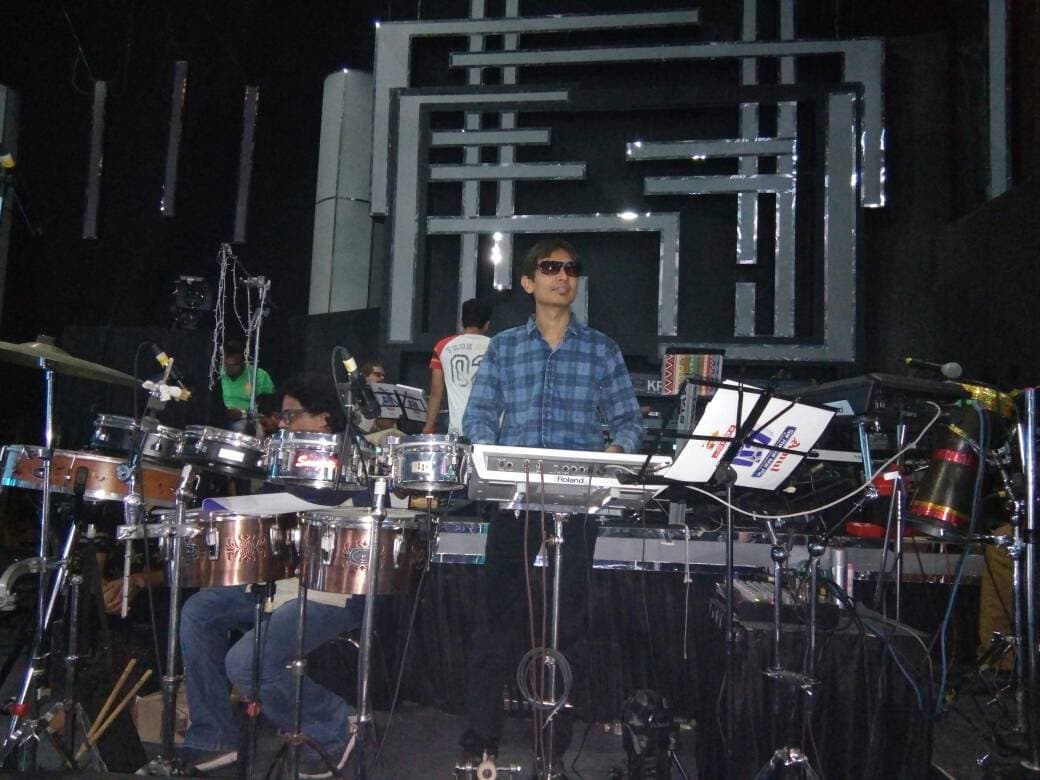
Written by Mrugesh Shukla, Tabla Visharad (distinction) and founder of Crystal Beats — 18+ years leading live performances and teaching at Crystal Beats Music Academy since 2007.
The guidance in this guide reflects real experience performing and teaching across Gujarat since 2007 — not generic advice.
In partnership with Rivavya Create and Trade LLP.
More from the blog
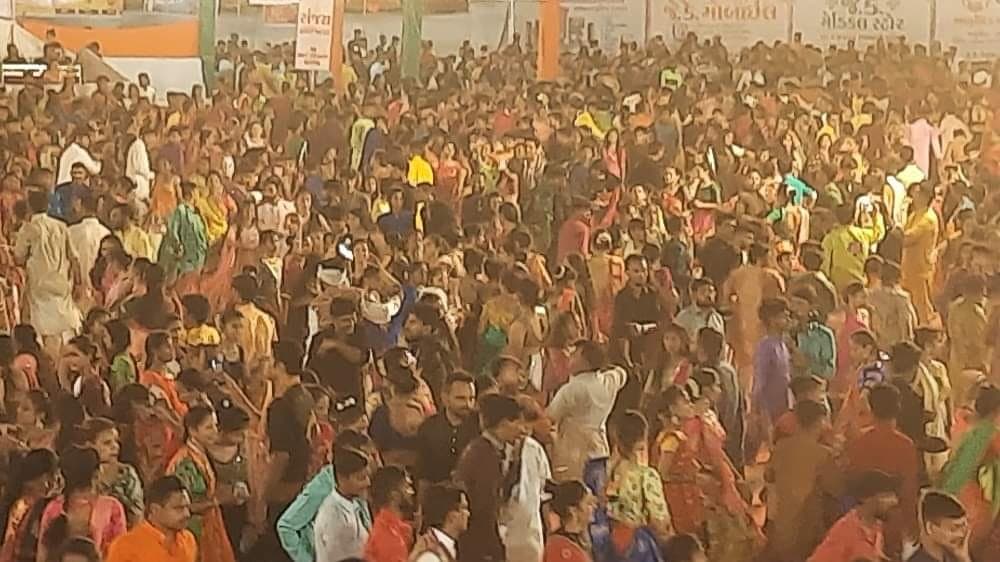
Garba Night Abroad: Bringing Authentic Gujarati Garba to Your NRI Sangeet
Garba at an NRI sangeet abroad can fall flat without a live dhol and a band that knows how to read an out-of-practice crowd. Here's how to get it right.
Booking an Indian Wedding Band From India for Your NRI Wedding Abroad
Flying a live band in from India for a UK, US, or Canada wedding takes different planning than a local booking. Here's the practical guide — lead times, logistics, and what to ask.
Questions to Ask a Band Master Before You Book
A quick checklist of questions to ask before confirming your wedding or event's band master — covering experience, instrument range, and logistics.