
Vedic Event · Wedding Rituals · Traditional Music
Live Music at a Vedic Wedding Ceremony: What to Expect

Vedic ceremonies — whether a full wedding phera, a havan, or another traditional ritual — run on their own timing, led by the officiating pandit rather than an event schedule. Live music here plays a genuinely different role than at a sangeet or reception: it's meant to support the ritual's rhythm, not entertain around it, and that distinction changes what you should actually ask for.
What live accompaniment for a Vedic ceremony typically involves
- Soft, sustained instrumental accompaniment — harmonium and tabla most commonly — that fills natural pauses in the ritual without drawing attention away from it.
- Devotional shlokas or mantras performed live rather than played from a recording, timed to specific stages of the ceremony as guided by the pandit.
- A willingness to pause or hold at any point — Vedic rituals don't run on a fixed clock, and a performer used to weddings but not rituals can sometimes push tempo when the moment calls for stillness.
Coordinating between the pandit and the performer
The single most important logistical step for a Vedic ceremony is making sure your musician and your officiating pandit have actually spoken before the day itself — even a short call. The pandit sets the pace of the ritual; the performer's job is to follow it, not lead it. Performers who default to a standard event mindset can misjudge this, so it's worth confirming this coordination explicitly when you book.
Instruments that suit a Vedic setting
Harmonium and tabla remain the most common pairing for Vedic ceremony accompaniment, since both can sustain long, quiet passages without needing to fill space the way a full band would. Sitar is sometimes brought in for a specific classical interlude, but a full modern instrumental setup — guitar, drums, keyboard — is rarely appropriate here and can feel out of place against the formality of the ritual.
Common mistakes families make when booking Vedic ceremony music
- Booking a performer used only to weddings and receptions, without discussing the very different pacing a ritual requires.
- Assuming the music can be planned entirely in advance, when in practice much of it needs to respond to the pandit's cues in the moment.
- Underestimating how long a full phera or havan can run, and not briefing the performer on realistic duration rather than an optimistic estimate.
How this differs from a Bhakti Sangeet evening
It's worth distinguishing Vedic ceremony accompaniment from a Bhakti Sangeet evening, since families sometimes conflate the two when booking. A Bhakti Sangeet is a standalone devotional program built around bhajans and kirtan, with its own arc and audience participation. Vedic ceremony music, by contrast, exists entirely in service of an ongoing ritual led by a pandit — quieter, more restrained, and structured around the ceremony's own timing rather than a musical program's.
Volume and tone matter more than variety here
Unlike a reception or Sangeet, where a broad repertoire is an asset, Vedic ceremony music benefits more from restraint and consistency of tone than variety. A performer who understands this will often play fewer, longer, more sustained passages rather than moving quickly between different pieces — matching the measured, unhurried pace that most Vedic rituals genuinely call for.
What to brief your performer on before the day
- The specific rituals planned and their approximate order, even if exact timing can't be fixed in advance.
- Whether the pandit has a preferred style of accompaniment they've worked with before, and any specific mantras that should be sung rather than played instrumentally.
- How the ceremony space is arranged, since seating and mandap layout affect where musicians can realistically be positioned without disrupting the ritual itself.
Respecting family and regional variations in ritual practice
Vedic rituals vary meaningfully across regions and communities within Gujarat itself, and a performer who assumes a single standard format can inadvertently misjudge a family's specific tradition. Experienced performers tend to ask directly about family customs and regional variations rather than assuming, and they treat the pandit's guidance on the day as authoritative over any general assumptions about how a ceremony 'usually' goes. This kind of humility and willingness to adapt in real time is arguably more important for a Vedic booking than raw musical polish, since the ritual's authenticity depends on following the specific tradition being observed, not a generic template.
Crystal Beats provides live accompaniment for Vedic weddings and rituals across Gujarat, working directly with your officiating pandit to keep the music in step with the ceremony rather than ahead of it. If you're planning a Vedic event and want music that honours the ritual's pace, get in touch through the booking form on this site.
Frequently Asked Questions
What instruments are typically used for Vedic ceremony music?
Harmonium and tabla are the most common pairing, since both can sustain long, quiet passages without needing to fill space the way a full modern band would.
Should the musician coordinate with the pandit before the ceremony?
Yes — the pandit sets the pace of the ritual and the performer needs to follow it, so a short conversation between them before the day avoids the music running ahead of or behind the ritual.
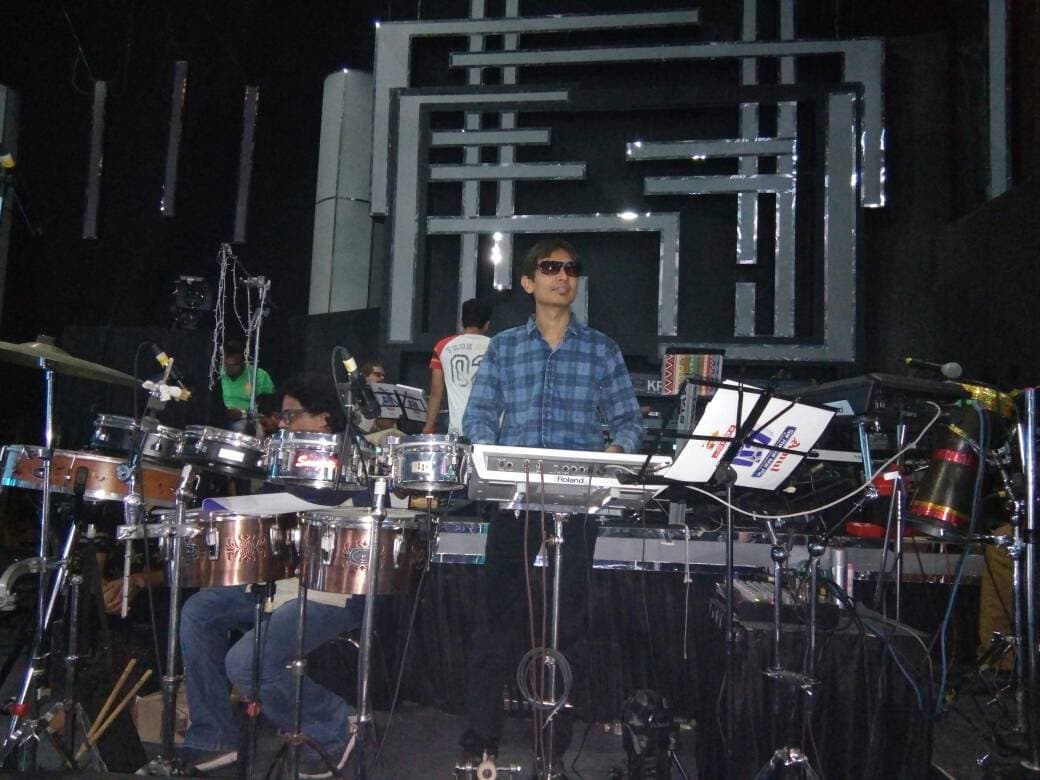
Written by Mrugesh Shukla, Tabla Visharad (distinction) and founder of Crystal Beats — 18+ years leading live performances and teaching at Crystal Beats Music Academy since 2007.
The guidance in this guide reflects real experience performing and teaching across Gujarat since 2007 — not generic advice.
In partnership with Rivavya Create and Trade LLP.
More from the blog
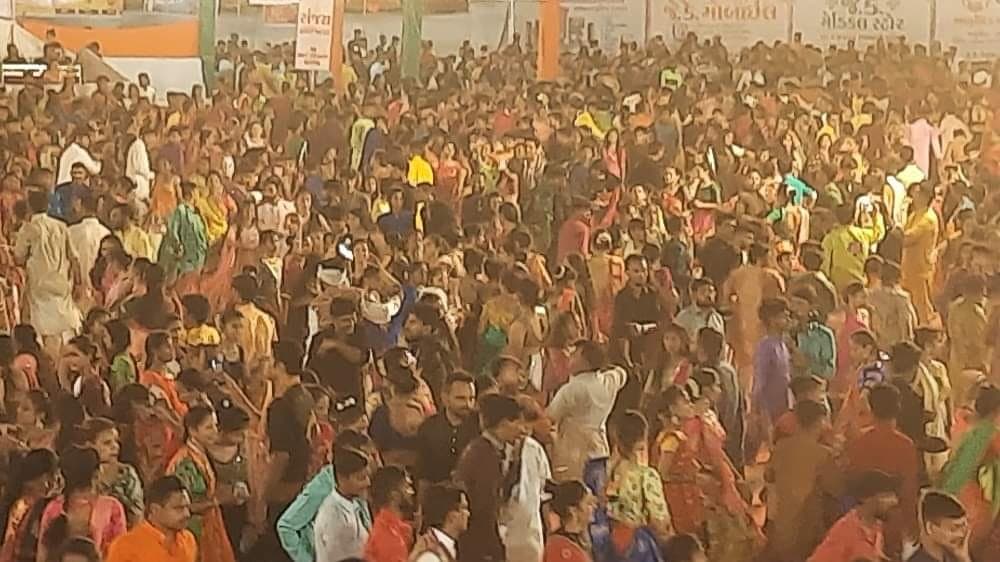
Garba Night Abroad: Bringing Authentic Gujarati Garba to Your NRI Sangeet
Garba at an NRI sangeet abroad can fall flat without a live dhol and a band that knows how to read an out-of-practice crowd. Here's how to get it right.
Booking an Indian Wedding Band From India for Your NRI Wedding Abroad
Flying a live band in from India for a UK, US, or Canada wedding takes different planning than a local booking. Here's the practical guide — lead times, logistics, and what to ask.
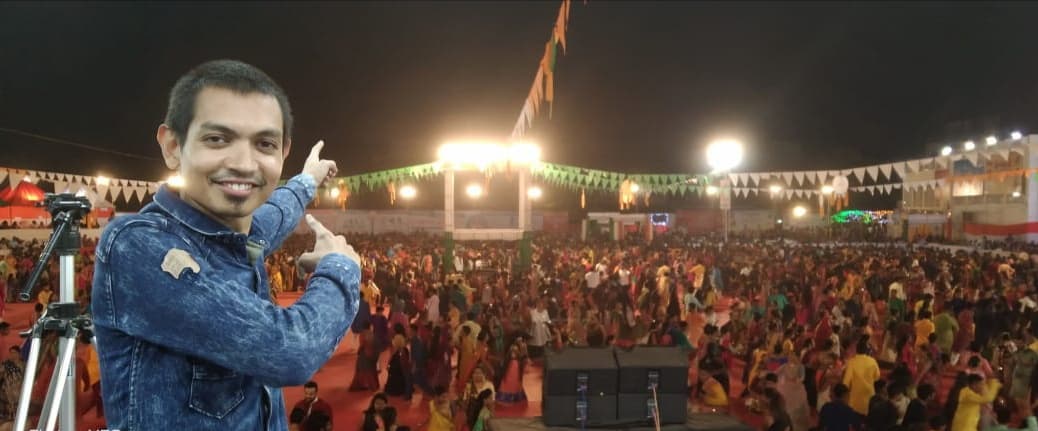
Questions to Ask a Band Master Before You Book
A quick checklist of questions to ask before confirming your wedding or event's band master — covering experience, instrument range, and logistics.