
Sound System · Event Production · Live Music
What Makes a Premium Sound System for Live Events
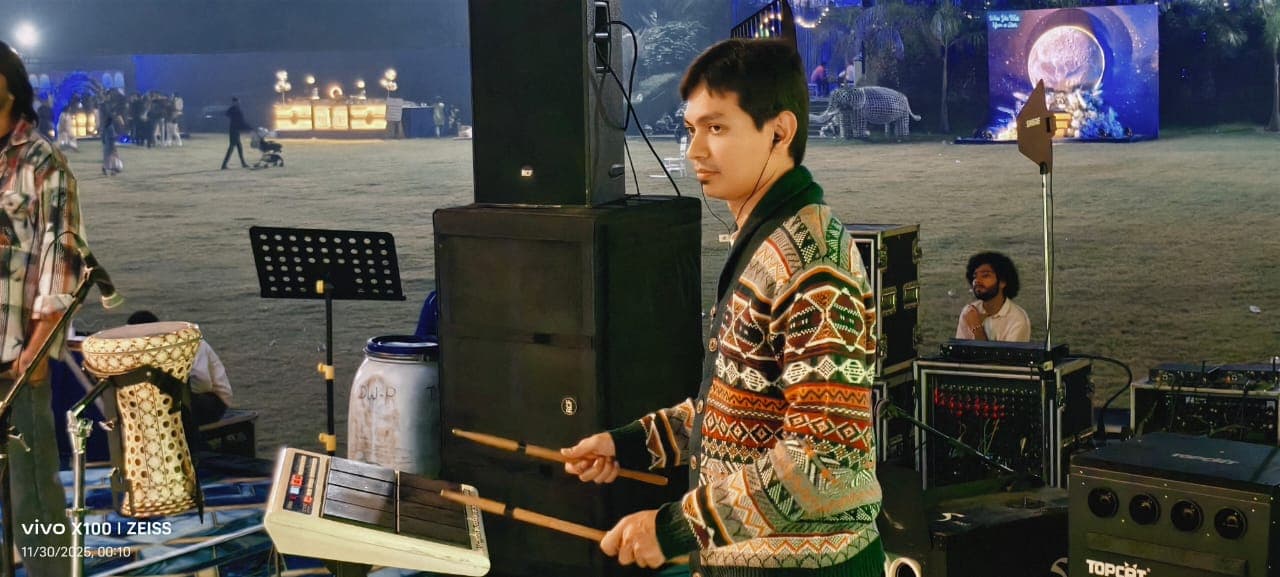
Sound quality is one of the most noticeable differences between a live performance that feels professional and one that doesn't, yet most people booking an event have no real framework for evaluating it beyond 'was it loud enough.' Here's what actually separates premium event sound from an average setup, without getting overly technical.
It's about clarity, not just volume
A cheap sound system can get loud, but loud and clear are different things. Premium sound means vocals stay intelligible even at higher volumes, individual instruments remain distinct rather than blurring into a wall of noise, and the sound doesn't distort or crackle as the venue fills up with sound-absorbing bodies.
What separates a professional sound setup
- Speaker placement matched to the venue: line-array or delay speakers for large or open spaces, rather than simply stacking more power at the stage.
- A proper monitor mix for performers on stage — musicians who can't hear themselves or each other clearly tend to perform worse, and audiences can hear the difference.
- Backup equipment on-site, so a single technical failure doesn't derail the event.
- A sound engineer actively mixing during the performance, not just a fixed setup left unattended once the show starts.
Why the venue matters as much as the equipment
The exact same equipment can sound excellent in one venue and mediocre in another. Open outdoor grounds swallow sound differently than covered halls, and a professional setup accounts for wind direction, ceiling height, and room acoustics — not just total wattage. This is why a proper sound check at the actual venue, rather than a generic setup, matters as much as the equipment itself.
Questions worth asking before booking any sound setup
- Is the sound system sized appropriately for the actual venue and guest count, not a generic default package?
- Is there a dedicated sound engineer present and actively mixing during the event, or is the system simply set and left unattended?
- What's the contingency plan if a speaker or microphone fails partway through the event?
Why outdoor events need extra planning
Outdoor venues introduce variables an indoor hall simply doesn't have — wind direction shifting sound away from parts of the audience, humidity affecting equipment, and no walls to help contain or reinforce sound naturally. A sound provider experienced with outdoor Gujarat weddings and Garba grounds specifically will typically ask about the venue's layout and likely wind patterns in advance, rather than treating it the same as an indoor booking.
The connection between sound quality and how an event is remembered
Guests rarely comment specifically on sound quality when it's good — they simply remember the event as feeling polished and enjoyable. They notice immediately when it's bad — muffled vocals, feedback screeches, or a set that's uncomfortably loud in some parts of the venue and inaudible in others. This asymmetry is exactly why sound quality deserves more attention during planning than it usually gets, since it shapes the entire guest experience even when nobody explicitly praises it afterward.
Why relying solely on venue-provided sound can be risky
Many venues offer an in-house sound system as part of their package, and while this can work for smaller, simpler events, it's worth confirming exactly what's included before assuming it's sufficient. Venue systems are often designed for speeches and background music rather than a genuine live band performance, and they don't always come with a dedicated engineer actively mixing during the event. For anything beyond a small, quiet function, bringing in your performer's own sound system and engineer is usually the safer choice.
How to evaluate sound quality when watching a performer's past work
When reviewing videos or reels from a prospective performer's previous events, it's worth listening critically rather than just watching — can vocals be understood clearly throughout, do instruments sound distinct from one another, and does the recording sound consistent across different moments in the clip rather than dropping out or distorting at louder points. Phone-recorded audience footage is admittedly an imperfect way to judge professional sound quality, but consistently muddy or distorted audio across multiple clips from the same performer is still a meaningful warning sign worth taking seriously.
Crystal Beats brings industry-grade sound systems and experienced sound engineers to every event, with setups adapted to the specific venue rather than a one-size-fits-all rig. To learn more about production standards for your event, get in touch below.
Frequently Asked Questions
What separates premium event sound from an average setup?
Clarity, not just volume — vocals stay intelligible at higher volumes, instruments stay distinct, and the sound doesn't distort as the venue fills up, backed by proper speaker placement and an actively mixing sound engineer.
Does the same sound equipment work equally well in any venue?
No — open outdoor grounds and covered halls behave very differently acoustically, so a professional setup accounts for wind, ceiling height, and room acoustics rather than relying on equipment alone.
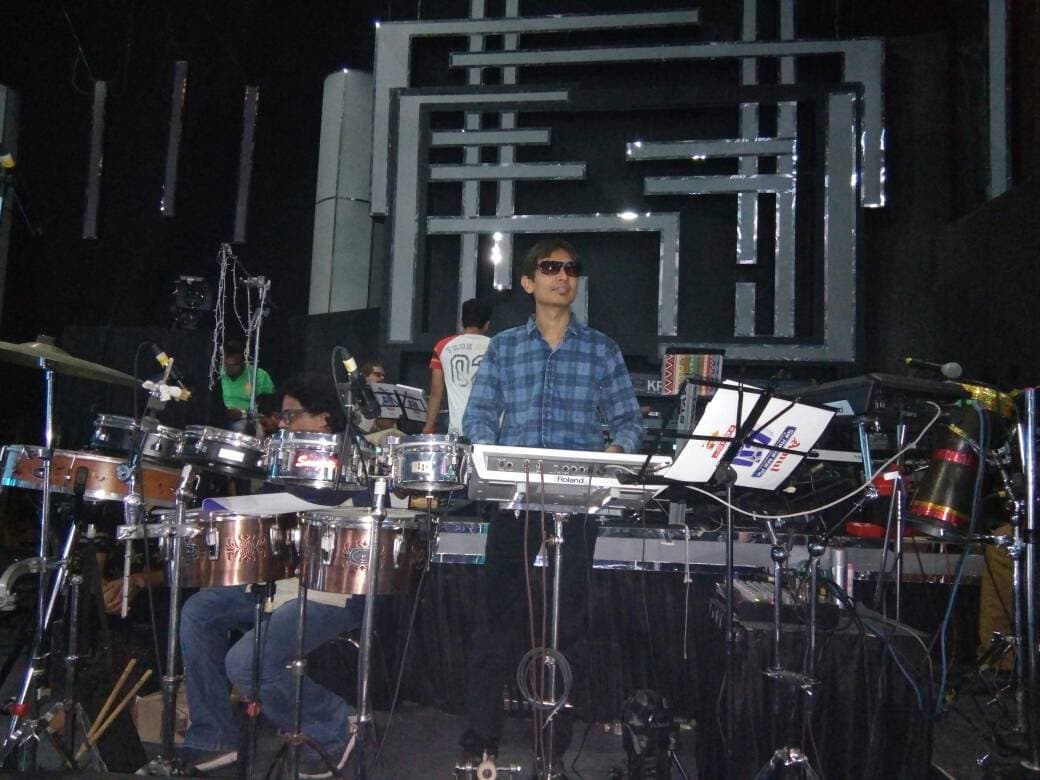
Written by Mrugesh Shukla, Tabla Visharad (distinction) and founder of Crystal Beats — 18+ years leading live performances and teaching at Crystal Beats Music Academy since 2007.
The guidance in this guide reflects real experience performing and teaching across Gujarat since 2007 — not generic advice.
In partnership with Rivavya Create and Trade LLP.
More from the blog

Garba Night Abroad: Bringing Authentic Gujarati Garba to Your NRI Sangeet
Garba at an NRI sangeet abroad can fall flat without a live dhol and a band that knows how to read an out-of-practice crowd. Here's how to get it right.
Booking an Indian Wedding Band From India for Your NRI Wedding Abroad
Flying a live band in from India for a UK, US, or Canada wedding takes different planning than a local booking. Here's the practical guide — lead times, logistics, and what to ask.
Questions to Ask a Band Master Before You Book
A quick checklist of questions to ask before confirming your wedding or event's band master — covering experience, instrument range, and logistics.