
Corporate Events · Live Orchestra · Event Planning
How to Choose a Live Orchestra for Corporate Events
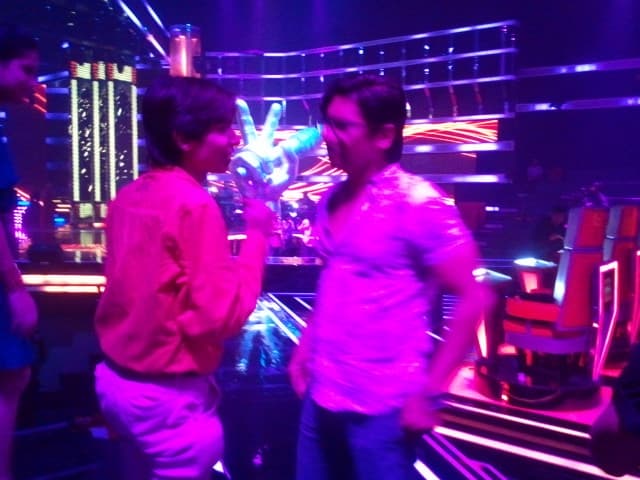
Corporate events — annual celebrations, product launches, offsites, award nights — have a different rhythm than weddings. The audience is more diverse in taste, the schedule is usually tighter, and there's often a formal program (speeches, awards) that live music has to work around rather than dominate. Here's how to plan it well.
Match the format to the event structure
- For award nights or formal programs, a smaller live instrumental ensemble playing softly during dinner and transitions, building to a fuller set after the formal program ends, works better than a loud opening set.
- For offsites and team celebrations, a full live orchestra with an open, high-energy set from the start suits the more relaxed structure.
- For product launches, a short, polished live performance as a standalone segment — rather than continuous background music — tends to land better and photograph well for company content.
Keep the repertoire broad
Corporate audiences are more musically mixed than a typical wedding guest list — different age groups, regions, and language preferences in one room. A performer who can move fluidly between Gujarati folk, Bollywood, and modern hits, and read which direction the room wants to go, is a better fit than one with a narrower specialty.
Confirm logistics early
- Sound restrictions: many corporate venues (hotels, banquet halls) have decibel limits, especially for events running late — confirm this with your performer in advance.
- Stage and power requirements: a full live orchestra needs more stage space and power capacity than a DJ setup; check this against your venue's specifications.
- Set length and timing around the formal program: give your performer the run-of-show in advance so they can plan transitions around speeches and awards rather than working around them live.
Building a feedback loop for recurring events
If your company runs the same event annually, a short debrief with your events or HR team a week or two after — what worked musically, what felt off, which moments landed — makes next year's booking noticeably easier to brief. Sharing that feedback directly with your performer, rather than just filing it away internally, also helps them fine-tune the set for your specific audience over repeated bookings instead of starting from a blank slate each time.
Budgeting for corporate live music
Corporate bookings often run shorter than wedding functions — typically 1–3 hours of actual performance — but come with higher production expectations: cleaner sound, professional stage presentation, and sometimes coordination with existing AV or event-production vendors already hired for the evening. Because of this, per-hour corporate rates can look higher than wedding rates at first glance, even though total booking cost is often lower simply because the hours are fewer. It's worth asking your performer to break down what's included in production quality versus pure performance time when comparing quotes.
Working with event planners and AV teams already in place
Most corporate events already have an event management company and AV vendor booked before entertainment is finalised. A live orchestra needs to slot into that existing plan rather than operate independently — sharing stage space, working within an existing lighting rig, and coordinating sound levels with whatever system the AV team is running for speeches and presentations. Loop your performer into a call with the event planner and AV vendor well before the date, rather than introducing them to each other for the first time at load-in.
Live music for hybrid and streamed events
If your corporate event is being live-streamed or recorded for internal use, tell your performer early — streaming audio needs a direct feed from the sound board rather than a room microphone picking up ambient noise, and this needs to be arranged with the AV team in advance rather than improvised on the day. A performer with corporate experience will usually already know to ask about this; if they don't bring it up themselves, raise it yourself before the date.
Vocal-led sets vs purely instrumental performances
For formal programs with speeches and awards, a purely instrumental ensemble is often the safer choice during the structured parts of the evening — it fills silence and adds atmosphere without competing with announcements. A vocal-led set works better once the formal program has ended and the event shifts into a more social, celebratory mode. Many corporate bookings use both within the same evening: instrumental during dinner and the formal segment, vocal-led once the program wraps.
In-house hotel band vs an independent performer
Many hotels and banquet venues offer an in-house band as part of the venue package, which can be convenient since they already know the space. The trade-off is repertoire and customisation — an in-house act typically plays a fixed, general-purpose set built to suit any client rather than one shaped specifically around your company culture, brand event, or audience. An independent performer costs more to bring in separately but can build a set genuinely tailored to your event, coordinate directly with your specific run-of-show, and bring instrumentation the venue's default act may not offer.
Multi-city events and consistency
Companies running the same annual event across multiple cities — Ahmedabad this year, Surat the next — sometimes find value in booking the same performer across locations, even with the added travel cost. Familiarity with your company's culture, past feedback on what worked, and consistent production quality can matter more for brand perception than the marginal savings from hiring a new local act at every stop. If this applies to your organisation, raise it directly with your performer; many are open to structuring a standing arrangement for recurring annual events.
A sample run-of-show for an awards evening
- Guest arrival: soft instrumental music as an ambient welcome.
- Dinner and formal program: continued instrumental backing, pausing or dropping to near-silence during speeches and award announcements.
- Post-program: transition to a fuller, vocal-led live set as the formal segment closes and the room shifts into a social mood.
- Closing: a higher-energy set for any remaining social time before the event wraps.
Crystal Beats has performed at corporate galas, launches, and offsite celebrations across Ahmedabad, Vadodara, and Surat, with a full live orchestra and premium sound production. If you're planning a corporate event, reach out below to check availability.
Frequently Asked Questions
How should live music be structured at a corporate event?
It depends on the format — a smaller ensemble playing softly during dinner and transitions for award nights, a full orchestra with high energy from the start for offsites, or a short standalone segment for product launches.
What logistics should I confirm before booking a corporate orchestra?
Venue decibel restrictions, stage and power requirements for a full live setup, and the run-of-show timing around speeches and awards.
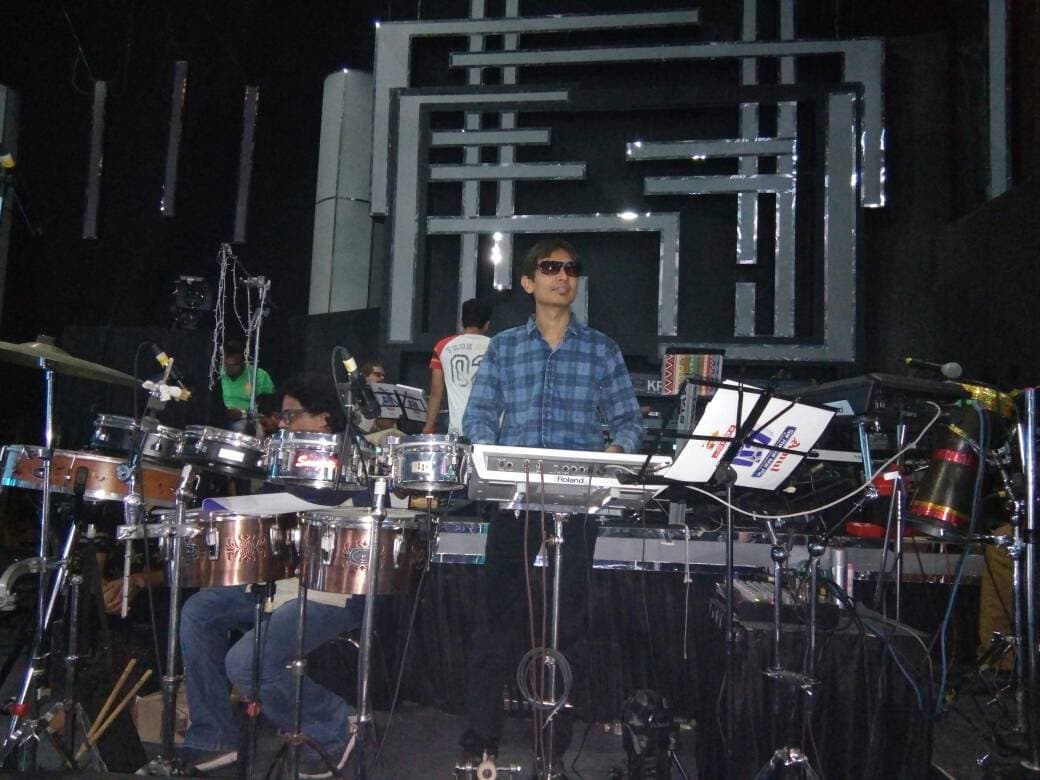
Written by Mrugesh Shukla, Tabla Visharad (distinction) and founder of Crystal Beats — 18+ years leading live performances and teaching at Crystal Beats Music Academy since 2007.
The guidance in this guide reflects real experience performing and teaching across Gujarat since 2007 — not generic advice.
In partnership with Rivavya Create and Trade LLP.
More from the blog

Garba Night Abroad: Bringing Authentic Gujarati Garba to Your NRI Sangeet
Garba at an NRI sangeet abroad can fall flat without a live dhol and a band that knows how to read an out-of-practice crowd. Here's how to get it right.
Booking an Indian Wedding Band From India for Your NRI Wedding Abroad
Flying a live band in from India for a UK, US, or Canada wedding takes different planning than a local booking. Here's the practical guide — lead times, logistics, and what to ask.
Questions to Ask a Band Master Before You Book
A quick checklist of questions to ask before confirming your wedding or event's band master — covering experience, instrument range, and logistics.